Why Body Wash Needs Sulfates and Real Soap Does Not
Body wash is a detergent dissolved in water, so it leans on sulfates and their helpers. A true bar of soap is its own cleanser. Here is why that difference matters.

Key takeaways
- Most body washes are synthetic detergent solutions, and sulfates are an inexpensive way to make them foam.
- A true bar soap cleans with soap molecules made from oils, so it needs no added surfactant.
- Liquid washes also need preservatives and thickeners because they are mostly water.
- "Sulfate free" washes usually swap in other synthetic surfactants rather than real soap.
Turn a bottle of body wash around and the first few ingredients are almost always the same: water, then a sulfate such as sodium laureth sulfate. Sulfates in body wash are not there by accident. They solve a specific problem that liquid detergents have and that real soap simply does not. Once you see why, it becomes clear why a bar of chemical free soap can leave out the whole family of added surfactants.
What sulfates actually do
Sulfates are surfactants, short for "surface active agents." A surfactant molecule has one end that is attracted to water and one end that is attracted to oil. That split personality lets it grab body oil and grime and carry it away when you rinse. The most common sulfates in personal care are:
- Sodium lauryl sulfate (SLS), a strong, inexpensive cleanser with big foam.
- Sodium laureth sulfate (SLES), a modified version that is generally milder.
- Ammonium lauryl sulfate and ammonium laureth sulfate, close cousins.
The main site's article on SLS and SLES covers their effects on skin and hair in depth. Here we focus on the question of why they are in the bottle at all.
Why body wash needs them
Body wash is mostly water. Water itself does not remove oil, so the formula needs a dissolved cleanser that foams well, rinses clean, stays clear and costs little to make at scale. Sulfates check every box. They are cheap, they lather instantly even in hard water, and they mix easily into a pourable liquid.
That watery base creates a chain of other needs:
- Thickeners. Plain detergent water would be runny, so salt or gums are added to give that rich, gel like pour.
- Preservatives. Anything with lots of water can grow bacteria and mold once opened, so washes require preservatives such as phenoxyethanol, sodium benzoate or methylisothiazolinone.
- Secondary surfactants. Cocamidopropyl betaine is often added to soften the sulfate and boost foam. It has its own history as a contact allergen, partly linked to impurities from manufacturing.
- Conditioning agents and fragrance. Because strong detergents can leave skin feeling tight, washes often add polymers, silicones or oils to restore a soft feel, plus fragrance to make the experience pleasant.
None of these ingredients are unusual or illegal. But each one exists to fix a side effect of the one before it.
Why real soap does not need sulfates
True soap is a surfactant all on its own. When plant oils meet lye in a process called saponification, the fats are converted into soap molecules (sodium salts of fatty acids) plus glycerin. Those soap molecules have the same oil loving and water loving ends that make sulfates work. In other words, the soap is the cleanser. Nothing extra has to be added to make it clean.
Lather comes from the choice of oils. Coconut oil gives quick, bubbly foam. Castor oil makes that foam creamy and stable. Olive, shea and avocado oils make the bar gentle and conditioning. You can see how makers balance these in the best oils for soap, and the whole process is explained in how cold process soap is made.
A cured bar is also a solid with little water, so it does not need thickeners, and its alkaline pH and dryness make it a poor home for microbes, so it typically needs no preservative. The naturally formed glycerin stays in a handmade bar, which is part of why it feels different from a detergent; see natural glycerin in handmade soap.
Side by side
| Typical body wash | Real cold process bar | |
|---|---|---|
| Cleanser | Synthetic surfactants such as SLES | Soap made from saponified oils |
| Main ingredient | Water | Oils (now soap) and glycerin |
| Preservative | Required | Usually none needed |
| Thickener | Salt or gums | None, it is solid |
| pH | Can be adjusted near skin pH | Alkaline, roughly 9 to 10 |
| Packaging | Plastic bottle | Paper or none |
The honest trade offs
Real soap is not perfect for every situation, and it is fair to say so.
- pH. Soap is alkaline, while detergents can be formulated closer to the skin's slightly acidic surface. Healthy skin rebalances quickly after rinsing, but some people with very reactive skin notice the difference. Our article on soap and skin pH separates the real issue from the myth.
- Hard water. Soap reacts with the calcium and magnesium in hard water to form soap scum. Sulfates do not. If your water is very hard, you may notice more film on the tub.
- Bar care. A bar left in a puddle turns soft and wears away. A draining dish fixes this; see how to make a bar of soap last longer.
What about "sulfate free" body wash?
Sulfate free washes are popular, and some are genuinely mild. But "sulfate free" rarely means "real soap." Instead of sulfates, these washes use other synthetic surfactants such as sodium cocoyl isethionate, decyl glucoside, sodium methyl cocoyl taurate or cocamidopropyl betaine. Many of these are gentler than SLS, so a sulfate free wash can be a reasonable choice. Just know that the bottle still needs water, a preservative and a thickener.
Some ethoxylated surfactants like SLES can also carry traces of 1,4-dioxane, a byproduct of manufacturing that is not listed on labels. New York State now limits 1,4-dioxane in personal care products, and many manufacturers have reduced it, but it is one more reason some shoppers prefer a shorter ingredient list.
Does liquid soap without sulfates exist?
Yes. Liquid castile soap is made by saponifying oils with potassium hydroxide instead of sodium hydroxide, which produces a soft, water soluble soap. It is real soap, not detergent, though it is very thin and quite alkaline, and once diluted it may need a preservative. Most people who want the bottle experience without sulfates find it a good option.
Making the switch
If you are moving from body wash to bar soap, give your skin a week or two to adjust. Use a washcloth or your hands, rinse well, and apply a balm or oil afterward if your skin runs dry. Our cold process Body Bar is made from olive, coconut, shea, castor and avocado oils, so it lathers without any added surfactant. Pair it with our shea butter Body Balm in winter. And if you are unsure what is in your current wash, start with our short list of soap ingredients to avoid.
From the ranch
Made in small batches, without the ingredients discussed above.
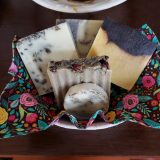 Body BarA true cold process soap for gentle, everyday cleansing.
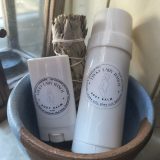 Body BalmUnrefined shea and organic beeswax for hard working skin.
Questions people ask
Does bar soap have sulfates?
True bar soap made from saponified oils does not need sulfates because the soap itself is the cleanser. Some commercial "beauty bars" are synthetic detergent bars and may contain sulfates or other surfactants, so check the ingredient list.
Why do body washes contain SLS or SLES?
Body wash is mostly water and needs a dissolved cleanser that foams, rinses clean and costs little. Sulfates do all of that. They are approved for rinse off use, but they can leave some people's skin feeling tight or dry.
Is sulfate free body wash the same as soap?
Usually not. Most sulfate free washes replace sulfates with other synthetic surfactants such as glucosides, isethionates or betaines. They can be milder, but they are still detergents with water, preservatives and thickeners.
Is bar soap better for your skin than body wash?
It depends on the product and your skin. A well made bar with a short ingredient list can be gentle and needs no preservatives. Some people with very sensitive skin prefer a mild synthetic cleanser. If you have a skin condition, ask a dermatologist.
Sources and further reading
- US Food and Drug Administration (FDA), Soap
- Cosmetic Ingredient Review, Final Report on the Safety Assessment of Sodium Lauryl Sulfate and Ammonium Lauryl Sulfate
- US Food and Drug Administration (FDA), 1,4-Dioxane in Cosmetics: A Manufacturing Byproduct
- New York State Department of Environmental Conservation, 1,4-Dioxane limits in household cleansing and personal care products
- American Contact Dermatitis Society, Allergen of the Year: Cocamidopropyl Betaine (2004)
This guide is for general education and is not medical advice. If you have a skin condition, allergy, or are pregnant or nursing, talk with your doctor or a board certified dermatologist about the products that are right for you.