Real Soap vs Detergent Bars: How to Tell the Difference
Many bars in the soap aisle are not soap at all. Here is how real soap and detergent bars differ, and the quick label clues that tell you which one you are holding.

Key takeaways
- Real soap is made by reacting fats and oils with lye. Detergent bars, often called syndet bars, use synthetic surfactants instead.
- In the US, the FDA regulates detergent bars as cosmetics, while true soap marketed only for cleaning is not treated as a cosmetic.
- Words like "beauty bar" or "cleansing bar" and ingredients like sodium lauroyl isethionate usually mean a detergent bar.
- Neither type is automatically bad. Real soap simply cleans with fewer synthetic ingredients.
Pick up five bars in a drugstore and there is a good chance two or three of them are not soap. They look like soap, they lather like soap, and they sit in the soap aisle, but legally and chemically they are something else: detergent bars. Knowing the difference between real soap vs detergent bars is the first practical skill in finding a chemical free soap you actually like, and it only takes a quick look at the box.
Two Ways to Make a Bar That Cleans
Real soap is made by combining fats or oils with an alkali, usually sodium hydroxide for bars. The reaction, called saponification, turns the oils into soap molecules and natural glycerin. Every true soap, from a handmade olive oil bar to an old fashioned laundry bar, is made this way. We cover the process in how cold process soap is made.
Detergent bars, sometimes called syndet bars (short for synthetic detergent), are built from manufactured surfactants. The most common is sodium lauroyl isethionate or its cousin sodium cocoyl isethionate, often blended with stearic acid, fillers and binders to make a firm bar. Some bars, called combars, mix a little true soap with synthetic surfactants.
Why the Law Treats Them Differently
In the United States, the FDA explains that a product counts as soap only when most of its cleaning power comes from the alkali salts of fatty acids and it is labeled and sold only for cleaning. That kind of soap falls under the Consumer Product Safety Commission, not FDA cosmetic rules. Detergent bars, and soaps that make cosmetic claims such as moisturizing or deodorizing, are regulated as cosmetics. Bars that claim to kill germs are regulated as drugs.
This is why many detergent bars avoid the word "soap" on the front. You will see "beauty bar," "cleansing bar," "moisturizing bar" or "body bar" instead. The naming is not a trick so much as a legal necessity, but it is a handy clue for shoppers.
Side by Side Comparison
| Real soap | Detergent (syndet) bar | |
|---|---|---|
| Main cleanser | Saponified oils (sodium olivate, sodium cocoate and so on) | Synthetic surfactants (sodium lauroyl isethionate, sodium cocoyl isethionate) |
| pH | Alkaline, usually around 9 to 10 | Often formulated near neutral or slightly acidic |
| Glycerin | Present naturally in handmade soap | Sometimes added |
| Typical extras | Essential oils, clays, botanicals | Fragrance, colors, chelators, antioxidants, fillers |
| Feel in hard water | Can leave some soap scum | Rinses more cleanly in hard water |
| Ingredient list length | Often short | Often long |
Is One Gentler Than the Other?
This is where honesty matters. Detergent bars were developed partly because some people found traditional commercial soap drying, and dermatologists sometimes recommend mild syndet bars, especially for very dry or compromised skin. Their near neutral pH is a real feature.
At the same time, many people find that a well made handmade soap, with plenty of glycerin and a small superfat of unreacted oil, feels very different from the harsh commercial soap that gave soap its drying reputation. The bigger difference for many shoppers is what comes along with the cleanser: synthetic fragrance, dyes and preservatives are common in detergent bars and rare in simple handmade soap. If pH is on your mind, our guide on soap and skin pH separates what matters from what is myth.
If you have eczema or another skin condition, a dermatologist's advice beats any general rule. Everyone's skin responds a little differently.
How to Tell What You Are Holding in Ten Seconds
- Read the product name. "Soap" on the label suggests true soap. "Beauty bar," "cleansing bar" or "body bar" without the word soap often means detergent.
- Check the first ingredient. Names starting with "sodium" and ending in "-ate" from an oil (sodium olivate, sodium palmate, sodium tallowate, sodium cocoate) mean true soap. "Saponified" followed by an oil name means the same thing.
- Look for isethionates. Sodium lauroyl isethionate or sodium cocoyl isethionate near the top signals a syndet bar.
- Look for sulfates. Sodium lauryl sulfate is more common in liquids, but it appears in some bars. See why body wash needs sulfates and real soap does not.
- Notice the format of the list. A short list of oils, water, glycerin and essential oils points to a simple soap. A long list with fragrance, CI numbers, EDTA and BHT points to a commercial formula of either type.
Our full walkthrough on how to read a soap label goes name by name.
A Note on Handmade Soap Labels
Because true soap marketed only for cleaning is not regulated as a cosmetic in the US, small makers are not always required to list ingredients the same way. Many do anyway, often in plain words like "saponified olive oil" rather than INCI names. If a handmade bar has no ingredient list at all, it is fair to ask the maker. A good one will tell you exactly what went in.
What About Liquid Soap and Body Wash?
Most body washes and many liquid hand soaps are detergent based too. True liquid soap exists, made with potassium hydroxide instead of sodium hydroxide, but it is less common on store shelves. If you are moving from body wash to bar soap, expect a different feel: a lather that is creamy rather than foamy, and skin that feels clean rather than slick.
Making the Switch
If you decide to try real soap, give it a week or two. Some people notice their skin feels different at first, simply because the cleanser, rinse and scent are all new. Start with an unscented or lightly scented bar, store it so it dries between uses (our tips on making a bar last longer help here), and pay attention to how your skin feels after a few days.
At our ranch we only make true cold process soap. The Body Bar is saponified olive, coconut, shea, castor and avocado oils with essential oils, cured for weeks, with no detergents added. If you would like to compare it with the commercial bars in your cabinet, the main site has an in depth look at cold process soap vs commercial beauty bars.
From the ranch
Made in small batches, without the ingredients discussed above.
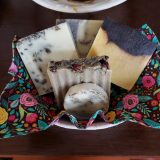 Body BarA true cold process soap for gentle, everyday cleansing.
 Man BarTea tree, cedarwood and bergamot mint in a clean, rugged bar.
Questions people ask
Is a beauty bar the same as soap?
Usually not. Most products sold as beauty bars or cleansing bars are synthetic detergent bars made with surfactants such as sodium lauroyl isethionate. They are regulated as cosmetics rather than as true soap.
What is a syndet bar?
A syndet bar is a solid cleanser made from synthetic detergents instead of saponified oils. Syndets are often formulated close to neutral pH and commonly include fragrance, colors and other additives.
Is real soap bad for your skin?
Not for most people. Well made handmade soap with natural glycerin and a small superfat feels mild to many users. People with very dry or eczema prone skin should ask a dermatologist what suits them.
How do I know if my bar soap is real soap?
Check the ingredient list. Saponified oil names like sodium olivate or sodium cocoate, or the word saponified, mean true soap. Isethionates or sulfates near the top mean a detergent bar.
Sources and further reading
- US Food and Drug Administration (FDA), Soaps
- US Consumer Product Safety Commission (CPSC), regulation of true soap
- Ananthapadmanabhan KP et al., Cleansing without compromise: the impact of cleansers on the skin barrier and the technology of mild cleansing, Dermatologic Therapy
- American Academy of Dermatology, guidance on choosing gentle cleansers
This guide is for general education and is not medical advice. If you have a skin condition, allergy, or are pregnant or nursing, talk with your doctor or a board certified dermatologist about the products that are right for you.