How to Make a Bar of Soap Last Longer
Handmade bars can last for weeks or vanish in days. The difference is mostly water. Here are practical habits that keep your soap firm and make every bar go further.

Key takeaways
- Water is the main thing that wears a bar down, so letting soap dry fully between uses matters most.
- A draining dish, a spot out of the shower stream and a well cured bar make the biggest difference.
- Cutting a bar in half, using a washcloth or soap saver bag, and storing spares dry all stretch your soap further.
- Glycerin rich handmade soap can soften in humid rooms, so airflow helps.
Few things are more disappointing than a beautiful handmade bar turning into a puddle of mush by the end of the week. If you have switched to chemical free soap and wondered why it seems to disappear faster than drugstore bars, you are not imagining it, and you are not stuck with it either. Learning how to make soap last longer mostly comes down to one thing: controlling water. Here is what actually works.
Why Handmade Soap Can Wear Faster
A few traits that make handmade soap pleasant also make it softer in the shower:
- Natural glycerin. It attracts moisture, so a bar that sits wet absorbs even more. See natural glycerin in handmade soap.
- Soft, gentle oils. Olive and avocado oil make a mild bar, but a softer one than recipes heavy in hard fats. Our guide to the best oils for soap explains the balance.
- No added hardeners. Many commercial bars use synthetic ingredients and industrial drying to stay firm. Simple bars rely on the recipe and the cure.
None of this means the soap is low quality. It just means a little care pays off, and most of these habits take only a few seconds a day once they become routine.
The Ten Habits That Make the Biggest Difference
1. Use a dish that drains
This is the single most important change. A flat dish or a ledge where water pools will dissolve the bottom of a bar overnight. Choose a dish with slats, ridges or holes so water runs off and air reaches the underside. Wooden slats, ridged ceramic, stainless steel racks and natural loofah pads all work.
2. Keep it out of the spray
A bar sitting in the direct path of the shower is being washed all the time, even when you are not using it. Place the dish on a shelf or corner where the stream does not reach.
3. Let it dry completely between uses
If two people shower back to back, the bar never dries. Consider giving each person their own bar, or rotating two bars so one rests while the other is in use.
4. Cut the bar in half
Slice a new bar in two with a kitchen knife. Use one half and keep the other in a dry place. A smaller piece dries faster, and the spare stays firm until you need it.
5. Lather a washcloth or pouf, not your whole body
Rubbing a bar across your skin uses more soap than you need. A few passes over a damp washcloth, natural sponge or loofah builds plenty of lather with far less wear on the bar.
6. Try a soap saver bag
A small mesh or sisal bag holds the bar, creates lather as a gentle scrubber, and can hang to dry between uses. It is also a handy way to use up the small slivers at the end of a bar.
7. Store spare bars somewhere dry
Bathroom cabinets get steamy. Keep extra bars in a linen closet or dresser drawer, wrapped in paper or left unwrapped, rather than sealed in plastic near the shower.
8. Let new bars keep curing
Soap continues to lose water after you buy it. Bars that rest on a shelf for a few extra weeks or months often last noticeably longer. Read more in soap curing: why good bars rest for weeks.
9. Do not leave it in the tub or sink basin
A bar that slips into standing water can lose a lot of soap in a single afternoon. If it happens, stand it on its edge somewhere airy to dry.
10. Turn it over
Flip the bar now and then so the same face is not always resting on the dish. It dries more evenly and keeps its shape.
How Long Should a Bar Last?
It depends on the size of the bar, how many people use it, how long your showers are, and how well it dries. As a loose guide, a single person using one full size bar daily with a draining dish can often expect a few weeks of use. If yours is gone in a week, water is almost always the reason.
| Sign | Likely cause | Fix |
|---|---|---|
| Mushy, slimy bottom | Sitting in water | Draining dish, flip the bar |
| Beads of moisture on the surface | Humid room, glycerin drawing water | More airflow, dry storage for spares |
| Bar shrinks fast but stays firm | Heavy use, rubbing directly on skin | Use a washcloth or soap saver |
| Cracks after drying | Rapid swings from very wet to very dry | Keep away from heaters and vents |
Using Up the Last Slivers
Do not throw away the thin end of a bar. Press it onto the wet surface of a new bar so the two fuse together after a day or two. Or gather slivers in a soap saver bag. Some people tuck them into a drawer to scent linens. Small pieces also make good travel soap.
Bars for Other Uses
The same habits apply to the rest of your bars. A shampoo bar needs the same draining dish and dry rest, and a face bar kept by the sink should sit away from splashes. For handwashing at the sink, our article on whether bar soap is sanitary covers why a dry, well draining dish is good hygiene as well as good value.
Is Liquid Soap Cheaper?
Many people assume liquid soap goes further, but pump soaps are mostly water and it is easy to use more than you need. A firm, well cared for bar often compares well on cost per wash, with no plastic bottle to recycle. The best value is simply the soap you use carefully and enjoy using.
Our Bars, Built to Go the Distance
We balance gentle oils like olive and avocado with coconut and shea for firmness, then cure every batch for weeks. Our Body Bar and Shampoo and Conditioner Bar both reward a dry dish and a spot out of the spray with a long, steady life in your shower.
From the ranch
Made in small batches, without the ingredients discussed above.
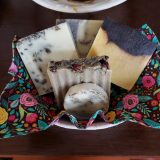 Body BarA true cold process soap for gentle, everyday cleansing.
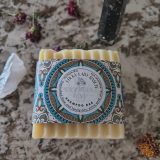 Shampoo and Conditioner BarPlastic free hair care with argan, castor and black seed oil.
Questions people ask
Why does handmade soap melt so fast?
Usually because it sits in water. Handmade soap contains natural glycerin, which attracts moisture, and gentle oils that make a softer bar. A draining dish and a dry spot out of the shower spray make a big difference.
What is the best soap dish for handmade soap?
Any dish that lets water drain and air reach the bottom of the bar: slatted wood, ridged ceramic, a metal rack or a loofah pad. Avoid flat dishes where water pools.
Should I cut my bar of soap in half?
It can help. A smaller piece dries faster between uses, and the other half stays firm in dry storage until you need it.
Do soap saver bags work?
Yes, for many people. They create lather with less soap, add gentle exfoliation, hang to dry between uses, and make it easy to use up small slivers.
Sources and further reading
- Kevin M. Dunn, Scientific Soapmaking: The Chemistry of the Cold Process
- Anne L. Watson, Smart Soapmaking
- Susan Miller Cavitch, The Natural Soap Book
This guide is for general education and is not medical advice. If you have a skin condition, allergy, or are pregnant or nursing, talk with your doctor or a board certified dermatologist about the products that are right for you.