A small ranch guide to real soap
Chemical free soap, made the slow, honest way.
Everything is a chemical, soap included, so here chemical free means real soap made from plant oils without synthetic detergents, fragrance or dyes. These guides explain how it is made, how to read a label, and how to choose a bar your skin will enjoy.

The short list that matters
What a simple bar leaves out
A real bar of soap only needs oils, lye, water and time, so everything below is optional, and we choose to skip it.
The collection
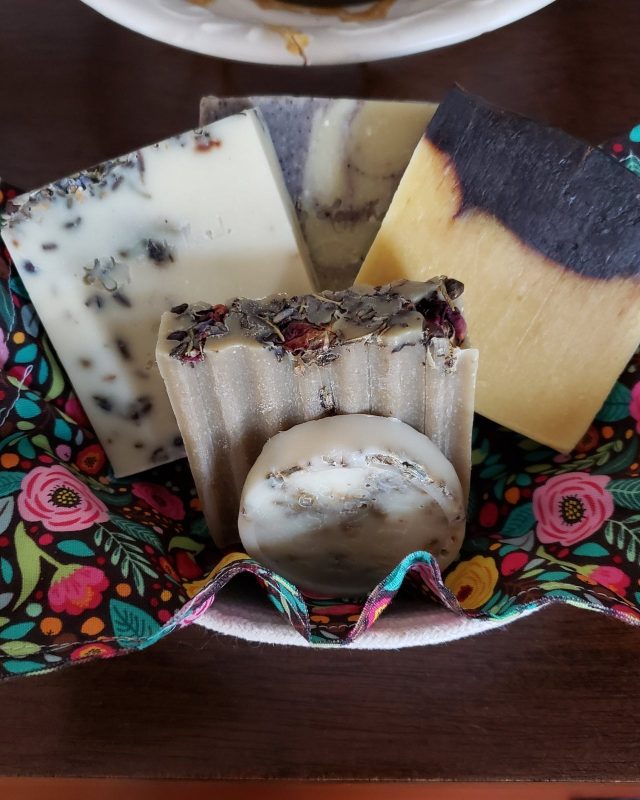
Simple things, made slowly and well

How we work
Three quiet promises
Real soap, not detergent
Every bar we talk about here is true soap made by saponifying plant oils. Learn how to tell real soap from a detergent bar in ten seconds.
Honest about chemistry
We will never pretend soap has no chemicals in it. We explain what each ingredient does, so you can decide for yourself.
Slow, small batch craft
Good bars are weighed by the gram and cured for weeks. See why curing matters.
The guides
Learn what is really in your products

Soap Basics
The essentials of real soap, from saponification to storage. Start here if you want to understand what is in your bar and why it behaves the way it does.

Soap Ingredients
What goes into a good bar of soap, and what is better left out. Practical guides to oils, scents, colors and the additives worth a second look.

Soap for Your Skin
Practical help choosing a gentle bar for your skin, your family and your routine, from sensitive and dry skin to shampoo bars and handwashing.
Start here
Most read guides

What Is Chemical Free Soap? An Honest Definition
Everything is made of chemicals, soap included. Here is what "chemical free soap" honestly means, what a good bar leaves out, and how to recognize one on the shelf.

Real Soap vs Detergent Bars: How to Tell the Difference
Many bars in the soap aisle are not soap at all. Here is how real soap and detergent bars differ, and the quick label clues that tell you which one you are holding.

Ingredients to Avoid in Soap: The Short List
You do not need to memorize a chemistry textbook to buy better soap. A handful of label names covers most of what is worth questioning in a bar.

How to Read a Soap Label: Sodium Olivate, Cocoate and More
Sodium olivate, sodium cocoate, tetrasodium EDTA: soap labels use names that hide simple ingredients and flag added ones. Here is a decoder for the bar in your hand.

Choosing Soap for Sensitive Skin
A practical guide to choosing soap for sensitive skin: what to look for on the label, how to test a new bar, and the shower habits that matter just as much.

Is Lye in Soap Safe? What Saponification Really Means
Every true soap starts with lye, yet a well made bar contains none. Here is what saponification really does, and how to tell a properly made bar from a harsh one.
Questions
Good to know
What is chemical free soap?
Since everything is made of chemicals, the phrase really describes true soap made from saponified plant oils, without synthetic detergents, synthetic fragrance, artificial dyes or unneeded preservatives. A short ingredient list of oils, water, glycerin and perhaps essential oils is the clearest sign.
Is there lye in chemical free soap?
All true soap is made with lye, but a properly made and cured bar contains none. The lye reacts with the oils to form soap and natural glycerin, and makers add a little extra oil so no free lye is left behind.
Is natural soap better for sensitive skin?
Many people with sensitive skin find a simple bar without synthetic fragrance more comfortable, but skin varies. Choose an unscented or lightly scented bar, patch test it first, and talk with a dermatologist if irritation continues.
How can I tell if a bar is real soap?
Read the ingredient list. Saponified oil names like sodium olivate or sodium cocoate mean true soap. Sodium lauroyl isethionate or sulfates near the top, or the words beauty bar instead of soap, usually mean a detergent bar.
Does chemical free soap kill germs?
Plain soap does not need antibacterial additives to clean well. Lathering and scrubbing lift oils, dirt and microbes from skin so rinsing can wash them away. The FDA has said antibacterial washes have not been shown to work better than plain soap and water for everyday use.