Tea Tree and Cedarwood Soap: An Earthy, Clean Scent
Fresh and medicinal on top, dry and woody underneath. Here is why tea tree and cedarwood make such a balanced pair in soap, and how to enjoy them sensibly.

Key takeaways
- Tea tree gives a fresh, sharp, herbal top note; cedarwood gives a dry, woody base that lasts.
- Together they make an earthy, clean scent that suits anyone who dislikes sweet florals.
- Tea tree has been widely studied, but in rinse off soap it is a scent choice, not a treatment.
- Oxidized tea tree oil is more likely to irritate, so fresh oil and dry storage matter.
Some scents feel like a clean shirt after a long day outdoors. Tea tree and cedarwood soap is one of them: bright and a little medicinal at first, then settling into something dry, woody and calm. It is one of the most popular essential oil pairings in handmade, chemical free soap, and for good reason. Here is what each oil brings, why they work together, and what to keep in mind if your skin is sensitive.
Meet tea tree oil
Tea tree oil is steam distilled from the leaves of Melaleuca alternifolia, a small tree native to the wetlands of New South Wales and Queensland in Australia. It is not related to the plant used for drinking tea. Its main aroma compound is terpinen-4-ol, and international standards set expected ranges for its key components so buyers can judge quality.
The scent: fresh, sharp and camphor like, often described as "clean" or "clinical." On its own it can feel a bit like a first aid kit. In a blend it reads as crisp and green.
Meet cedarwood oil
"Cedarwood" actually covers several oils from different trees:
- Virginian cedarwood (Juniperus virginiana), a North American tree that is botanically a juniper. It smells like pencil shavings and cedar chests.
- Atlas cedarwood (Cedrus atlantica), a true cedar from the mountains of Morocco and Algeria, sweeter and more balsamic.
- Texas cedarwood (Juniperus mexicana), dry and smoky.
The scent: warm, dry and woody. Cedarwood evaporates slowly, which makes it a classic "base note" that holds a blend together and lingers softly after the brighter notes fade.
Why they work so well together
Good scent blends usually combine a lively top note with a grounding base. Tea tree supplies the sparkle, and cedarwood keeps it from feeling sharp or thin. In soap that matters even more, because brighter notes tend to fade during the weeks of curing. Cedarwood helps the blend survive the cure and still smell complete months later; our article on soap curing time explains why.
| Tea tree | Cedarwood | |
|---|---|---|
| Note | Top to middle | Base |
| Character | Fresh, herbal, medicinal | Dry, woody, warm |
| Staying power | Moderate | Long |
| Role in a blend | Brightness | Depth and anchor |
Many makers round out the pair with a third note. Mint adds a cool lift, lavender softens the edges, and a touch of citrus brightens the opening.
What about tea tree's reputation?
Tea tree oil has been studied for its effects on microbes and on several skin concerns. That research is real and interesting, but it generally looks at leave on preparations at specific strengths, not at a bar of soap that sits on your skin for under a minute. So we treat tea tree in soap as what it reliably is: a fresh scent and a clean feeling after washing. A soap that claims to treat acne, fungus or infection is making a drug claim, and honest makers avoid that. If you have a skin condition, a dermatologist is the right guide. For why plain soap is enough for everyday cleaning, see antibacterial soap vs plain soap.
How the scent changes from bar to shower
A tea tree and cedarwood bar smells different at each stage. Held dry in your hand, the cedarwood often comes through first as a soft woody note, because the brighter tea tree has partly mellowed during the cure. Once you wet the bar and work up lather, warm water lifts the tea tree back to the surface, and the bathroom fills with that crisp, green freshness. After you rinse, only a faint woody trace stays on your skin, usually gone within the hour. That is how a well balanced essential oil bar should behave. If the scent lingers strongly on your skin for hours, the bar was likely scented more heavily than it needs to be.
The type of cedarwood changes the character, too. Virginian cedarwood makes the blend drier and more outdoorsy, while Atlas cedarwood makes it rounder and slightly sweet. Neither is better. It simply explains why two bars with the same two oils can smell noticeably different.
Who loves this scent
- People who dislike sweet or floral soap. It is earthy and understated.
- After outdoor work or workouts. It feels crisp and refreshing on tired skin.
- Men looking to skip heavy cologne style scents. Our guide to natural soap for men covers this well.
- Anyone, really. Wood and herb scents are not gendered. Plenty of women prefer them.
Who should be careful
- Sensitive or allergy prone skin. Tea tree oil can cause allergic reactions in some people. Patch test a new bar on your inner forearm for a few days.
- Old or poorly stored products. As tea tree oil oxidizes with air, light and heat, it becomes more likely to irritate skin. Buy from makers who use fresh oil, and store spare bars somewhere cool and dark.
- Pets. Concentrated tea tree oil is toxic to cats and dogs. Do not use tea tree soap to bathe pets unless your veterinarian says it is fine, and keep bars out of chewing reach.
- Young children. Use a gentler, unscented bar for little ones; see gentle soap for kids.
The main site's guide to essential oil safety and dilution covers the broader principles.
What to look for in a tea tree and cedarwood bar
- Named oils. Look for Melaleuca alternifolia leaf oil and a named cedarwood. "Fragrance" means it may be a synthetic imitation; see fragrance in soap.
- A gentle base. Olive, shea or avocado near the top keeps a bracing scent from feeling harsh.
- A moderate scent. It should smell clean up close, not sting your nose.
- Proper cure. A well cured bar is milder and lasts longer.
Keeping the bar at its best
Essential oil scents last longest when the bar can dry between uses. Store it on a slotted dish away from the direct stream of the shower, and keep spare bars in a drawer or cupboard rather than on a sunny windowsill. Heat and light speed up oxidation and fade the scent, while a cool, dark spot keeps the blend fresh for many months.
Our version
Our Man Bar blends tea tree and cedarwood with a bergamot mint note over the same olive, coconut, shea, castor and avocado oils as our Body Bar. It was made for ranch days and long showers, and many of our customers who are not men use it too. If you would rather try something softer first, our Body Bar is a gentle place to start. For more on scenting with plants, read essential oils in soap.
From the ranch
Made in small batches, without the ingredients discussed above.
 Man BarTea tree, cedarwood and bergamot mint in a clean, rugged bar.
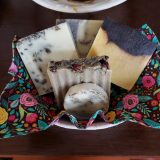 Body BarA true cold process soap for gentle, everyday cleansing.
Questions people ask
What are the benefits of tea tree soap?
In a rinse off bar, tea tree mainly offers a fresh, herbal scent and a clean feeling after washing. It has been studied for various skin concerns in leave on forms, but soap is not a treatment. Ask a dermatologist about any skin condition.
What does cedarwood soap smell like?
Cedarwood smells dry, warm and woody, a bit like pencil shavings or a cedar chest. Atlas cedarwood is sweeter and more balsamic. It lasts well in soap and anchors brighter scents like tea tree.
Is tea tree soap good for sensitive skin?
Some people with sensitive skin tolerate it well, but tea tree can cause allergic reactions, especially when the oil has oxidized. Patch test a new bar first, and choose unscented soap if you react easily.
Is tea tree soap only for men?
No. Woody and herbal scents are enjoyed by everyone. Tea tree and cedarwood bars are often marketed to men because they are not floral or sweet, but many women prefer them too.
Sources and further reading
- International Organization for Standardization, ISO 4730: Essential oil of Melaleuca, terpinen-4-ol type (tea tree oil)
- National Center for Complementary and Integrative Health (NCCIH), Tea Tree Oil
- Robert Tisserand and Rodney Young, Essential Oil Safety, 2nd edition (Churchill Livingstone)
- ASPCA Animal Poison Control Center, Essential oils and pets
This guide is for general education and is not medical advice. If you have a skin condition, allergy, or are pregnant or nursing, talk with your doctor or a board certified dermatologist about the products that are right for you.