Choosing Soap for Sensitive Skin
A practical guide to choosing soap for sensitive skin: what to look for on the label, how to test a new bar, and the shower habits that matter just as much.

Key takeaways
- Sensitive skin reacts easily, and the cleanser is one of the first things worth changing.
- Look for a short ingredient list with no fragrance, no synthetic dyes and no harsh detergents.
- Essential oils are plant derived but can still bother very reactive skin, so test first.
- Patch test a new bar on your forearm for several days and change only one product at a time.
- Lukewarm water, short showers and moisturizing damp skin matter as much as the bar itself.
If your skin flushes, itches or feels tight after a shower, the soap is one of the first things worth questioning. Choosing soap for sensitive skin is less about finding a miracle bar and more about removing the usual suspects: synthetic fragrance, dyes, harsh detergents and long ingredient lists you cannot read. A simple chemical free soap made from saponified plant oils is a reasonable place to start, but even natural bars differ, and knowing how to compare them saves you money and discomfort.
What "sensitive skin" usually means
Sensitive skin is not a single diagnosis. Dermatologists use the phrase for skin that reacts easily, with stinging, burning, redness, itching or tightness, to products or conditions that other people tolerate. Sometimes there is an underlying condition behind it, such as eczema, rosacea or a contact allergy. Sometimes it is simply a skin barrier that is a bit easier to disrupt, especially in dry weather. If your reactions are strong, keep coming back, or include swelling, blistering or broken skin, a dermatologist can help sort out the cause. Patch testing in a clinic can identify specific allergens, which is far more useful than guessing.
For everyday reactivity, though, a few cleanser choices make a real difference.
The short checklist for a gentle bar
- A short, readable ingredient list. Real soap labels often list saponified oils such as sodium olivate (olive oil) and sodium cocoate (coconut oil). Our guide to reading a soap label walks through the common names.
- No "fragrance" or "parfum." This single word can stand for many undisclosed compounds, and fragrance is one of the most common causes of cosmetic contact allergy. See why fragrance is the ingredient to question.
- No synthetic dyes. Color adds nothing for your skin. Natural clays or botanicals are usually milder, though nothing is guaranteed.
- Real soap or a mild cleanser, not a harsh detergent bar. Many "beauty bars" and body washes rely on synthetic surfactants. Some are mild; others, like sodium lauryl sulfate, are known to irritate with repeated use.
- Some extra oil left in. Handmade makers often leave a small percentage of oils unsaponified (called superfat) so the bar feels less stripping.
- Natural glycerin retained. Cold process soap keeps the glycerin that forms during saponification. Read more about why handmade soap feels different.
Unscented, fragrance free, or essential oils?
This is the question that trips up most shoppers. "Unscented" and "fragrance free" are not legally defined terms for cosmetics in the United States, and they do not always mean the same thing. A product can be called unscented and still contain a masking fragrance, while "fragrance free" generally signals no added scent materials at all. Our explainer on unscented vs fragrance free soap covers the label details.
Essential oils sit in the middle. They are plant derived, and many people use them happily for years. But they are still complex mixtures, and some of their components (linalool, limonene and geraniol, for example) are recognized fragrance allergens, especially once they oxidize. If your skin is very reactive, a bar with no essential oils is the safest first test. If you tolerate them, a lightly scented bar is a reasonable choice. Neither option is "chemical free" in the literal sense; the goal is fewer, better understood ingredients.
Comparing common bar types
| Bar type | What cleans | What to watch for |
|---|---|---|
| Handmade cold process soap | Saponified plant oils | Alkaline pH; scent choice; very high coconut oil can feel drying |
| Commercial "beauty" or "moisturizing" bar | Synthetic surfactants, often with some soap | Fragrance, dyes, long ingredient lists |
| Clear glycerin or melt and pour bar | Soap base with added solvents and glycerin | Base may contain sulfates, propylene glycol or added scent |
| Antibacterial bar | Soap or detergent plus antimicrobial agents | No shown everyday benefit over plain soap; extra ingredients |
One honest note: true soap is alkaline, usually around pH 9 to 10, while the skin's surface sits on the acidic side. Some people with very sensitive or eczema prone skin do better with a mild synthetic cleanser for that reason. Many others find a well made, oil rich soap perfectly comfortable. Our article on soap and skin pH explains what the numbers mean in practice, and if eczema is part of the picture, see soap for eczema prone skin.
How to test a new soap without a flare
- Change one thing at a time. If you swap soap, lotion and laundry detergent in the same week, you will not know what helped or hurt.
- Patch test first. Lather a small amount on the inner forearm, rinse, and repeat once or twice a day for several days. Watch for redness, itching or bumps.
- Start on the body, not the face. Facial skin is usually thinner and more reactive.
- Give it two weeks. Skin often feels a little different for a few days after switching from a detergent bar to real soap. Persistent stinging or redness is a sign to stop.
- Keep notes. A quick phone note with the product name and how your skin felt is surprisingly useful if you later see a dermatologist.
Shower habits that matter as much as the bar
Even the mildest soap can feel harsh if the rest of the routine works against it. A few habits help sensitive skin feel calmer:
- Use lukewarm water rather than hot, and keep showers short.
- Lather in your hands and wash where you need to, mainly underarms, groin, feet and any visibly dirty areas. Many people do not need to soap every inch every day.
- Skip rough washcloths, loofahs and scrubs if they leave you red.
- Pat dry, then apply a simple balm or oil to damp skin within a few minutes to help hold in moisture.
- Let your bar dry between uses. A soggy bar wastes soap and can feel slimy; our guide on making soap last longer has simple tips.
Red flags on the label
When you are comparing bars in a store or online, these ingredients and claims deserve a second look if your skin is reactive:
- Fragrance, parfum or "aroma" without further detail
- Synthetic colors listed as FD&C or D&C followed by a number, or CI numbers
- Sodium lauryl sulfate or high amounts of other strong detergents
- Preservatives such as methylisothiazolinone, which is more common in liquid products but worth knowing
- Marketing words like "hypoallergenic" or "dermatologist tested," which have no legal definition in the US and do not guarantee anything
For a broader list of common irritants across all personal care products, Lucky Lady Ranch keeps a guide to sensitive skin ingredients to skip.
Where our bars fit
Our family makes cold process soap from olive, coconut, shea, castor and avocado oils, with no synthetic fragrance, dyes or detergents. The handmade Body Bar is lightly scented with essential oils, so if you know you react to essential oils, patch test it before using it all over, or ask us about the ingredients first. We would rather you find the right bar than buy the wrong one. After washing, a thin layer of the shea butter and beeswax Body Balm on damp skin helps it feel soft and comfortable.
Sensitive skin rewards patience. Fewer ingredients, gentler habits and one change at a time will tell you more than any label claim.
From the ranch
Made in small batches, without the ingredients discussed above.
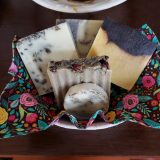 Body BarA true cold process soap for gentle, everyday cleansing.
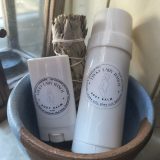 Body BalmUnrefined shea and organic beeswax for hard working skin.
Questions people ask
What kind of soap is best for sensitive skin?
Look for a bar with a short ingredient list, no added fragrance or synthetic dyes, and no harsh detergents such as sodium lauryl sulfate. Some people do well with oil rich handmade soap; others prefer a mild synthetic cleanser. Patch testing tells you which suits your skin.
Is natural soap better for sensitive skin?
Not automatically. Natural soap avoids many common irritants, but essential oils and botanicals can still bother reactive skin. A simple, unscented or lightly scented bar made from plant oils is a sensible starting point, tested on a small area first.
Can essential oils in soap irritate sensitive skin?
They can. Essential oils contain compounds such as linalool and limonene that are recognized fragrance allergens for some people, especially after they oxidize. If you react easily, start with a bar that has no essential oils.
How do I know if my soap is irritating my skin?
Common signs are tightness, stinging, redness, itching or flaking that appears after washing and eases when you stop. Switch to a simpler bar for two weeks. If reactions persist or are severe, see a dermatologist.
Does hypoallergenic mean a soap will not cause a reaction?
No. In the United States, hypoallergenic has no legal definition for cosmetics, so companies can use it without meeting a set standard. Read the ingredient list instead of relying on the claim.
Sources and further reading
- American Academy of Dermatology (AAD), guidance on caring for sensitive skin
- US Food and Drug Administration (FDA), Hypoallergenic Cosmetics
- US Food and Drug Administration (FDA), Allergens in Cosmetics
- European Commission Scientific Committee on Consumer Safety (SCCS), Opinion on Fragrance Allergens in Cosmetic Products
This guide is for general education and is not medical advice. If you have a skin condition, allergy, or are pregnant or nursing, talk with your doctor or a board certified dermatologist about the products that are right for you.