The Best Oils for Soap: Olive, Coconut, Shea, Castor and Avocado
No single oil makes a perfect bar. Each one brings its own lather, hardness or softness. Here is how the five classic soap oils work as a team, and how to read them on a label.

Key takeaways
- Every soap oil has a different fatty acid profile, which decides how the bar lathers, hardens and feels.
- Coconut gives quick, bubbly lather; olive gives gentleness; shea adds hardness and a creamy feel.
- Castor oil in small amounts makes lather richer and more stable; avocado adds a soft, conditioning finish.
- Saponified oils are listed in order of amount, so the first one tells you the bar's main character.
Ask ten soap makers for the best oils for soap and you may get ten recipes, but most will mention the same short list. Olive, coconut, shea, castor and avocado oils have earned their place because each one does something the others cannot. Understanding what each oil contributes helps you choose a chemical free soap that suits your skin, and helps you read a label with real confidence.
Why the oil blend matters so much
In true soap, oils are not just ingredients. They become the soap. During saponification, lye converts each oil's fatty acids into soap molecules, and those fatty acids decide how the finished bar behaves. Roughly speaking:
- Lauric and myristic acids make big, fast bubbles and strong cleansing.
- Palmitic and stearic acids make a hard, long lasting bar with stable, creamy lather.
- Oleic acid makes soap mild and conditioning, with gentle lather.
- Linoleic and linolenic acids feel conditioning too, but they can shorten a bar's shelf life.
- Ricinoleic acid, found almost only in castor oil, makes lather dense and long lived.
A single oil rarely balances all of these, which is why most good bars are blends. The full process is explained in how cold process soap is made.
The five classic oils
Olive oil: the gentle foundation
Olive oil is rich in oleic acid, and it has been the backbone of mild soap for centuries. A bar made only from olive oil is called castile soap. It is very gentle but has small, lotion like bubbles and starts soft, so traditional castile bars cure for months. On a label, olive oil soap appears as sodium olivate.
Good for: mildness, a soft skin feel. Limits: low lather on its own, slow to harden.
Coconut oil: the lather maker
Coconut oil is high in lauric and myristic acids, which produce quick, airy lather and a hard, white bar. It even lathers in salt water. The trade off is that coconut soap cleanses strongly, so in large amounts it can feel drying. Many makers keep it to roughly a quarter or a third of the oils and balance it with gentler oils. On a label: sodium cocoate.
Good for: lather, hardness, a clean rinse. Limits: drying if overused.
Shea butter: hardness with a creamy touch
Shea butter brings stearic and oleic acids, so it adds both firmness and a creamy, conditioning feel. It also contains a relatively high share of unsaponifiables, the part of the butter that does not turn into soap. Bars with shea feel smooth and wear more slowly. On a label: sodium shea butterate or saponified shea butter. The main site covers the butter itself in shea butter benefits for skin, lips and hair.
Good for: a firm, smooth, long lasting bar. Limits: too much can mute lather.
Castor oil: the lather booster
Castor oil is unusual: it is mostly ricinoleic acid. A small amount, often around 5 to 10 percent of the oils, makes lather noticeably richer and longer lasting. Use too much and the bar turns soft and sticky. On a label: sodium castorate.
Good for: creamy, stable lather. Limits: only works in small amounts.
Avocado oil: the soft finish
Avocado oil is high in oleic acid with some palmitic acid, and many soapers prize it for a gentle, conditioning feel. It behaves a bit like olive oil and is often used to make a bar feel more luxurious on dry skin. On a label: sodium avocadate.
Good for: mildness and a soft after feel. Limits: low lather on its own.
How the five compare
| Oil | Lather | Hardness | Gentleness | Typical role |
|---|---|---|---|---|
| Olive | Low, creamy | Soft at first, hardens with cure | High | Base oil |
| Coconut | High, bubbly | High | Lower in large amounts | Lather and cleansing |
| Shea | Low, creamy | High | High | Hardness and feel |
| Castor | Boosts others | Low | High | Lather stability |
| Avocado | Low | Moderate | High | Conditioning finish |
Other oils you will see
- Cocoa butter adds hardness much like shea, with a faint chocolate smell when unrefined.
- Sweet almond and sunflower oils feel lovely but are high in linoleic acid, which can lead to rancid orange spots over time if a bar is stored poorly.
- Palm oil adds hardness and stable lather but raises environmental concerns; see palm free soap.
- Lard and tallow make hard, mild bars and were the traditional choice before plant blends. They are animal fats, so they are not vegan.
Superfat: the extra oil that makes soap gentle
Each oil needs a precise amount of lye to become soap. Makers use a calculator for this, then deliberately reduce the lye slightly so that a small portion of oil, often around 5 percent, stays unsaponified in the bar. This is called the superfat. It makes the bar gentler and guarantees no free lye remains. If lye worries you, read is lye in soap safe.
Reading the oils on a label
Ingredients are listed from most to least, so the first saponified oil tells you the bar's character. A bar that starts with sodium olivate is olive based and likely gentle. One that starts with sodium cocoate will lather big and clean strongly. If you see sodium palmate or sodium tallowate, palm or animal fat is the base. For the full label vocabulary, see how to read a soap label.
Matching oils to your skin
- Dry skin: look for olive, avocado or shea near the top and coconut lower down. See natural soap for dry skin.
- Oily skin or heavy work: a higher coconut bar rinses cleaner.
- Sensitive skin: simpler oil lists and no fragrance are easiest to judge.
Why we use these five
Our Body Bar is made with exactly these oils: olive for gentleness, coconut for lather, shea for a firm creamy bar, castor to keep the bubbles rich, and avocado for a soft finish. Our Beauty Bar for the face starts from the same blend and adds rosehip seed and prickly pear seed oils. It is a balance we keep coming back to because each oil carries its own weight.
From the ranch
Made in small batches, without the ingredients discussed above.
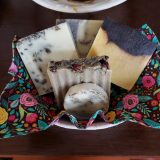 Body BarA true cold process soap for gentle, everyday cleansing.
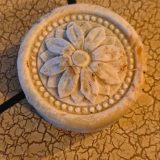 Beauty BarA gentle facial bar with rosehip, prickly pear and vitamin E.
Questions people ask
What is the best oil for making soap?
There is no single best oil. Olive oil is the gentlest, coconut oil gives the most lather, shea butter adds hardness, and castor oil stabilizes bubbles. Most well loved bars blend several oils so their strengths balance each other.
Is coconut oil soap drying?
Coconut oil soap cleanses strongly, so a bar made with a high percentage can feel drying. Blended with olive, shea or avocado oil and made with a modest superfat, it gives great lather without leaving most skin tight.
Why is castor oil added to soap?
Castor oil is mostly ricinoleic acid, which makes lather denser, creamier and longer lasting. Makers usually use a small amount, because too much makes a soft, sticky bar.
What does sodium olivate mean?
Sodium olivate is the label name for olive oil that has been turned into soap with sodium hydroxide. Similar names include sodium cocoate for coconut oil and sodium shea butterate for shea butter.
Sources and further reading
- Kevin M. Dunn, Scientific Soapmaking: The Chemistry of the Cold Process (Clavicula Press)
- US Food and Drug Administration (FDA), Soap
- Personal Care Products Council, International Cosmetic Ingredient Dictionary and Handbook
- US Department of Agriculture, FoodData Central (fatty acid composition of plant oils)
This guide is for general education and is not medical advice. If you have a skin condition, allergy, or are pregnant or nursing, talk with your doctor or a board certified dermatologist about the products that are right for you.