Ingredients to Avoid in Soap: The Short List
You do not need to memorize a chemistry textbook to buy better soap. A handful of label names covers most of what is worth questioning in a bar.

Key takeaways
- Most of what is worth questioning in soap comes down to six or seven ingredient groups.
- Fragrance, synthetic detergents and synthetic dyes are the most common in mass market bars.
- Antibacterial actives are mostly gone from consumer soap, but a few still appear in hand washes.
- A real soap label is usually short: saponified oils, maybe essential oils, maybe a clay or botanical.
Most soap aisles look complicated, but the list of ingredients to avoid in soap is shorter than you might think. You do not need to decode every word on the back of the box. If you can recognize six or seven ingredient groups, you can sort almost any bar in under a minute and find a chemical free soap that is simply oils, lye and a few honest extras.
This guide is the quick version. Each item links to a deeper explanation, so treat this page as the checklist you keep in your pocket.
First, a word about "chemical free"
Everything is made of chemicals, including water and olive oil. When we say chemical free soap, we mean soap made from real saponified plant oils without the harsh synthetic additives that mass market bars rely on. The goal is not to fear long words. It is to know which long words are doing a job your skin does not need.
The short list
| Ingredient group | Label names to look for | Why it is in the bar | Why people skip it |
|---|---|---|---|
| Undisclosed fragrance | Fragrance, parfum, aroma | Scent, often a blend of many compounds | The components are not listed and fragrance is a leading cause of cosmetic skin allergy |
| Synthetic detergents | Sodium lauryl sulfate, sodium cocoyl isethionate, sodium lauroyl isethionate | Lather and cleansing in "beauty bars" that are not true soap | Some, especially the sulfates, can leave sensitive skin feeling tight |
| Synthetic dyes | FD&C or D&C colors, CI numbers such as CI 19140 | Bright, uniform color | Purely cosmetic, and some people react to certain dyes |
| Antibacterial actives | Triclocarban, triclosan, benzalkonium chloride, chloroxylenol | Marketed germ killing | The FDA found no proof that most of them beat plain soap and water |
| Preservatives of concern | Methylisothiazolinone, DMDM hydantoin, parabens | Stop microbes in water based liquid soaps | Some are common allergens; a well made bar rarely needs them |
| Plastic and polymer extras | Polyethylene, acrylates copolymer, PEG compounds | Texture, slip, glossy finish | No skin benefit worth the environmental footprint |
1. "Fragrance" or "parfum"
This single word is the one most worth questioning. Under US labeling rules, a company can list a blend of scent chemicals as "fragrance" without naming what is inside. That blend may contain dozens of compounds. Dermatologists consistently rank fragrance among the most common causes of allergic reactions to personal care products. Our full guide to fragrance in soap explains how to read the label and what essential oils do differently.
2. Synthetic detergents posing as soap
Many of the best selling bars are not legally soap at all. They are solid detergent bars, sometimes called syndet bars or "beauty bars," built on synthetic surfactants. Some of these cleansers are quite mild, so this is less about danger and more about knowing what you are buying. If the front says "beauty bar" or "cleansing bar" rather than soap, the ingredient list usually confirms it. Learn the quick test in real soap vs detergent bars, and see why liquid washes lean on sulfates in why body wash needs sulfates.
3. Synthetic dyes
A neon green or deep blue bar is almost always colored with synthetic dyes. In the US these appear as FD&C or D&C names, and internationally as color index numbers. They are approved for cosmetic use, but they add nothing except appearance. Clays, plant powders and mineral pigments can color a bar gently. See synthetic dyes vs natural colorants for the swaps.
4. Antibacterial actives
In 2016 the FDA ruled that triclosan, triclocarban and 17 other active ingredients could no longer be sold in consumer antiseptic wash products, because manufacturers had not shown they were safe for daily long term use or more effective than ordinary soap. A few actives, including benzalkonium chloride and chloroxylenol, were set aside for further study, so you may still see them in hand washes. Plain soap and water remains the standard advice for everyday handwashing. Our article on antibacterial soap vs plain soap covers what the FDA found.
5. Preservatives you rarely need in a bar
Water based products such as liquid hand soap and body wash need preservatives to stay safe. A properly cured cold process bar is low in water and highly alkaline, which makes it an unfriendly place for microbes. That is why a good bar can skip preservatives like methylisothiazolinone, which the American Contact Dermatitis Society named its Allergen of the Year in 2013. If you want the background, the main site explains why methylisothiazolinone became such a common allergen.
6. Plastics and polymers
The US Microbead-Free Waters Act of 2015 banned plastic microbeads in rinse off cosmetics, so scrubby plastic beads are no longer legal in soap. You may still see liquid polymers, PEGs and acrylates in washes and some bars. They add slip or gloss, not care. Ground oats, poppy seeds or clay give texture without the plastic.
What to look at, but not panic about
Some ingredients show up in commercial bars for good practical reasons. Tetrasodium EDTA and tetrasodium etidronate are chelators that help prevent rancidity and soap scum. Titanium dioxide whitens a bar. Added glycerin is often there because the original glycerin was removed and sold separately. None of these are emergencies. They are simply signs of a bar engineered for long warehouse life rather than a short honest list. You can learn the full vocabulary in how to read a soap label.
What a good label looks like
A simple handmade bar usually reads something like this:
- Saponified oils, listed as sodium olivate, sodium cocoate, sodium shea butterate and so on, or as "saponified olive oil."
- Water and glycerin, the glycerin formed naturally during saponification.
- Essential oils, named individually, if the bar is scented.
- Optional extras, such as clay, charcoal or botanicals, named plainly.
Lye (sodium hydroxide) may or may not appear. It is used to make every true soap, but in a correctly made bar it is fully consumed. If that word worries you, is lye in soap safe walks through the chemistry.
A 30 second checklist for the store
- Does it say "soap," or "beauty bar" and "cleansing bar"? The second usually means detergent.
- Is "fragrance" or "parfum" listed without specifics?
- Do you see FD&C, D&C or CI color numbers?
- Is there a Drug Facts panel with an antibacterial active?
- Can you picture where each ingredient came from?
If a bar passes all five, it is very likely a straightforward soap.
How we keep our list short
At Lucky Lady Ranch we start from the other direction: we only add an ingredient if it earns its place. Our cold process Body Bar is made from olive, coconut, shea, castor and avocado oils with essential oils for scent, and nothing on our checklist above. For anyone with especially reactive skin, our guide to choosing soap for sensitive skin is a good next read, and a dermatologist is the right person to help if you are dealing with a persistent rash.
From the ranch
Made in small batches, without the ingredients discussed above.
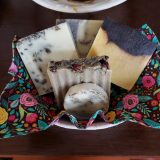 Body BarA true cold process soap for gentle, everyday cleansing.
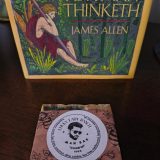 Man BarTea tree, cedarwood and bergamot mint in a clean, rugged bar.
Questions people ask
What is the most important ingredient to avoid in soap?
For most people it is undisclosed "fragrance" or "parfum." It can hide many compounds, and fragrance is one of the most common causes of allergic skin reactions to personal care products. Choosing unscented bars or bars scented with named essential oils is a simple first step.
Is sodium hydroxide in soap bad for you?
Sodium hydroxide (lye) is needed to turn oils into soap, but in a correctly formulated and cured bar it is fully used up in the reaction. What remains is soap and glycerin. Good makers use a small surplus of oil so no free lye is left.
Do natural bar soaps need preservatives?
Usually not. A cured cold process bar contains little water and has a high pH, which discourages microbial growth. Preservatives are mainly needed in water based products such as liquid soap and body wash.
Are "beauty bars" real soap?
Often they are not. Many are synthetic detergent bars made with surfactants such as sodium cocoyl isethionate. They can be mild, but they are a different product from true soap made from saponified oils.
Sources and further reading
- US Food and Drug Administration (FDA), Safety and Effectiveness of Consumer Antiseptics; Topical Antimicrobial Drug Products for Over-the-Counter Human Use, Final Rule (2016)
- US Food and Drug Administration (FDA), Soap
- US Congress, Microbead-Free Waters Act of 2015
- American Contact Dermatitis Society, Allergen of the Year: Methylisothiazolinone (2013)
- American Academy of Dermatology Association, Contact dermatitis resources
This guide is for general education and is not medical advice. If you have a skin condition, allergy, or are pregnant or nursing, talk with your doctor or a board certified dermatologist about the products that are right for you.