Shampoo Bars Explained: How Soap Based Hair Care Works
How shampoo bars work, the difference between true soap bars and syndet bars, why some people get waxy hair, and how to use and store a bar so it lasts.

Key takeaways
- Shampoo bars come in two main kinds: true soap bars made from saponified oils and syndet bars made from synthetic surfactants.
- True soap is alkaline and reacts with hard water minerals, which can leave a waxy film on hair.
- A diluted acidic rinse, such as apple cider vinegar in water, helps many people using soap based bars.
- Rub the bar in your hands or along wet hair, rinse thoroughly, and store it dry between uses.
- Ask your stylist before switching if your hair is color treated or chemically processed.
Shampoo bars have moved from craft fairs to mainstream shelves, praised for cutting plastic and simplifying ingredient lists. Then come the mixed reviews: some people love them from the first wash, while others describe heavy, waxy or tangled hair. Both experiences make sense once you understand what shampoo bars are and how soap behaves on hair. This guide explains the chemistry in plain terms and gives practical steps so a bar has the best chance of working for you.
Two very different products under one name
"Shampoo bar" is a format, not a formula. Most bars fall into one of two families:
| True soap shampoo bar | Syndet shampoo bar | |
|---|---|---|
| How it is made | Plant oils saponified with lye, like body soap, often with extra conditioning oils | Synthetic surfactants pressed or molded into a solid |
| Label clues | Sodium olivate, sodium cocoate, sodium castorate | Sodium cocoyl isethionate, sodium coco sulfate, cocamidopropyl betaine |
| pH | Alkaline, typically around 9 to 10 | Can be formulated closer to neutral or slightly acidic |
| Hard water | Reacts with minerals, may leave residue | Little or no soap scum |
| Feel | Varies widely with water and hair type | Closer to liquid shampoo |
Neither type is automatically better. Syndet bars can be very mild, though some contain sulfates or fragrance. True soap bars appeal to people who want the simplest possible ingredients. Our guide to real soap vs detergent bars explains how to tell them apart, and why body wash needs sulfates covers the detergent side.
How soap cleans hair
Soap molecules have one end that loves water and one end that loves oil. When you lather, they surround scalp oil, product buildup and dirt so water can carry them away. That part works on hair just as it does on skin.
Two features of true soap make hair a special case:
- Alkalinity. Hair's outer layer, the cuticle, is made of overlapping scales. Alkaline conditions tend to make the cuticle swell and lift slightly, which can make hair feel rougher and tangle more easily. An acidic rinse helps the cuticle lie flatter again. See soap and skin pH for more on what pH numbers mean.
- Hard water. Calcium and magnesium in hard water react with soap to form insoluble "soap scum," the same film you see on a shower door. On hair, it can feel waxy, heavy or dull, especially at the roots.
The "transition period": what is really happening
You may read that hair needs a few weeks to "detox" after switching to a shampoo bar. The honest explanation is less mysterious. Some of the heaviness people notice comes from silicone and product buildup being removed unevenly, and some comes from mineral residue if the water is hard. Scalp oil production can also feel different when you change cleansers. If your hair still feels waxy after two or three weeks despite good technique and an acidic rinse, the bar and your water may simply not be a match. A syndet bar or a different product may suit you better, and that is fine.
How to use a shampoo bar
- Wet hair thoroughly. Bars need more water than liquid shampoo to lather.
- Make lather first. Rub the bar between wet hands, or glide it a few times along wet hair from roots toward the ends. Avoid scrubbing the bar hard into the scalp, which can tangle long hair.
- Massage the scalp with fingertips for a minute or so. Focus cleansing on the scalp; lather that runs through the lengths is usually enough for the ends.
- Rinse much longer than you think you need. Leftover soap is a leading cause of heavy, sticky hair.
- Consider an acidic rinse for true soap bars (see below).
- Condition as needed. Longer, curly or dry hair often benefits from a conditioner or a few drops of oil on the ends.
The acidic rinse
Many people who use soap based bars follow with a diluted acidic rinse. A common starting point is one to two tablespoons of apple cider vinegar in a cup of water, poured over the hair, left briefly and rinsed out. Lemon juice diluted in water is another option. Keep it out of your eyes. The vinegar scent fades as hair dries. Start mild and adjust; more is not better.
Who should be cautious
- Color treated or chemically processed hair. Alkaline products may affect how long color lasts. Ask your stylist before switching.
- Very hard water. A true soap bar may be frustrating. Some people use a filter on the shower head or choose a syndet bar.
- Sensitive or reactive scalps. Check the label for essential oils or fragrance and patch test. A persistent itchy, flaky or red scalp is worth showing a dermatologist.
- Kids. True soap stings eyes. Our guide to gentle soap for kids has bath tips.
Making a bar last
A shampoo bar left in a puddle turns into mush fast. Store it on a draining dish or a rack out of the shower spray, and let it dry completely between uses. For travel, a ventilated tin is better than a sealed bag. If you wash daily, cutting the bar in half lets one piece rest while you use the other. More general tips are in our guide on making soap last longer.
Ingredients worth knowing
In soap based bars, the oils do the work. Coconut and castor oils contribute lather, while olive, shea, avocado and argan oils add a softer, more conditioning feel. Our guide to the best oils for soap explains each one. Essential oils, if present, are mostly for scent; read our notes on essential oils in soap if your scalp is sensitive.
Our shampoo bar
At Lucky Lady Ranch our sulfate free Shampoo and Conditioner Bar is made with olive, coconut, shea, argan, castor, avocado and black seed oils and is pH adjusted, with no sulfates. Results still depend on your water and hair type, so give it a few washes and use the steps above. For dry ends, a few drops of our Hair Oil with sacha inchi and argan rubbed between palms works well. For a wider look at what to avoid in hair products, see the main site's guide to non toxic hair care.
From the ranch
Made in small batches, without the ingredients discussed above.
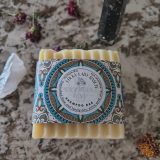 Shampoo and Conditioner BarPlastic free hair care with argan, castor and black seed oil.
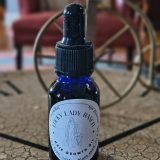 Hair OilSacha inchi, black seed, rice bran, argan and castor for hair and scalp.
Questions people ask
Are shampoo bars just soap?
Some are and some are not. True soap shampoo bars are made from saponified oils, while syndet bars are made from synthetic surfactants pressed into a solid. Check the ingredient list: names like sodium olivate signal true soap.
Why does my hair feel waxy after using a shampoo bar?
The most common causes are hard water minerals reacting with soap, not rinsing long enough, and product buildup coming off unevenly. An acidic rinse and thorough rinsing help many people. If it continues, a syndet bar may suit your water better.
Do I need an apple cider vinegar rinse with a shampoo bar?
Not always, but it helps many people using true soap bars, especially with hard water. A common starting point is one to two tablespoons of apple cider vinegar in a cup of water, rinsed out after a minute.
Are shampoo bars good for color treated hair?
Some are formulated for it, but alkaline soap based bars may affect how long color lasts. Ask your stylist and read the label before switching.
How long does a shampoo bar last?
It depends on hair length, how often you wash and how dry you keep the bar. A bar kept on a draining dish out of the shower spray lasts far longer than one left sitting in water.
Sources and further reading
- American Academy of Dermatology (AAD), Tips for healthy hair
- US Geological Survey (USGS), Hardness of Water
- International Journal of Trichology, research on the pH of shampoos and hair fiber friction
- US Food and Drug Administration (FDA), Soaps and Cosmetics
This guide is for general education and is not medical advice. If you have a skin condition, allergy, or are pregnant or nursing, talk with your doctor or a board certified dermatologist about the products that are right for you.