Natural Soap for Men: Clean Without Heavy Fragrance
Why so many men's washes rely on heavy synthetic fragrance, and how a simple natural bar can handle body, face, beard and even a shave.

Key takeaways
- Most men's body washes are detergents scented heavily with undisclosed synthetic fragrance.
- A natural bar made from plant oils can clean body, face and beard with one product.
- Earthy essential oils like tea tree and cedarwood offer a lighter scent, though they can bother some skin.
- Bar soap works for shaving if you build a thin, slick lather and use a sharp blade.
- Body odor comes mostly from bacteria on sweat; regular washing and drying matter more than strong scent.
Walk down the men's aisle and you will find body washes named after sports, weather and machinery, nearly all promising to make you smell like one of them. What you will rarely find is a short ingredient list. Natural soap for men is a quiet alternative: a bar made from real plant oils that gets you clean without wrapping you in a cloud of synthetic fragrance. This guide covers why that matters, how one bar can replace several bottles, and how to get the most from it in the shower, at the sink and at the gym.
What is in a typical men's body wash
Most men's washes are liquid detergents. A common formula is water, a sulfate or similar surfactant, foam boosters, thickeners, preservatives, dyes and fragrance, often with "cooling" menthol or exfoliating beads. Nothing on that list is unusual, and many people use these products without trouble. But a few points are worth knowing:
- Fragrance is usually the star. Scent is a big part of how men's products are sold, and "fragrance" or "parfum" on a label can cover a blend of many undisclosed ingredients. Our guide to fragrance in soap explains why that single word deserves attention.
- Liquid washes need detergents and preservatives. A bottle that is mostly water needs both. Our article on why body wash needs sulfates explains the chemistry.
- Strong scent lingers. Heavily scented washes, deodorants and colognes can stack up into more fragrance than you intended to wear.
What makes a soap "natural"
A natural bar soap is made by saponifying plant oils, such as olive, coconut and shea, with lye. When the reaction is complete, no lye remains; the result is soap plus naturally formed glycerin. A good natural bar leaves out synthetic fragrance, dyes and detergents. It may be unscented or lightly scented with essential oils. That is what "chemical free soap" means in practice: not literally free of chemicals, since everything is made of them, but free of the harsh synthetic additives that do nothing for your skin.
One bar, several jobs
Part of the appeal for many men is simplicity. A single mild bar can often handle:
| Job | How to use the bar | Tip |
|---|---|---|
| Body | Lather in hands or on a cloth, focus on underarms, groin and feet | No need to scrub every inch daily |
| Face | Lather in hands, wash 30 to 60 seconds, rinse well | Use lukewarm water; moisturize if skin feels tight |
| Beard | Work lather into a short beard, rinse thoroughly | Longer beards may prefer a dedicated shampoo bar and oil |
| Shaving | Build a thin, slick lather with a wet brush or hands | Shave with the grain, rinse the blade often |
For face specifics, see can you wash your face with bar soap. Longer beards and the hair on your head may do better with a product built for hair; our guide to shampoo bars explains the difference.
Shaving with a natural bar
Shaving soap used to be the standard, and a well made bar still works. A few tips make it better:
- Shave after a warm shower so whiskers are softened.
- Wet a shaving brush or your hands and swirl over the bar to load it with soap.
- Build lather on your face with small circles, adding a little water until it looks slick and creamy rather than bubbly.
- Use a sharp blade and light pressure. Shave with the grain first.
- Rinse with cool water, pat dry and apply a few drops of a light oil if your skin feels tight.
Body soap gives a thinner lather than dedicated shaving soap, so if you have coarse whiskers or sensitive skin you may still prefer a shaving product. Test and see.
Scent without the cloud
If you like smelling of something, earthy essential oils are a popular middle ground. Tea tree has a sharp, clean, medicinal scent; cedarwood is warm and woody; bergamot and mint add a fresh top note. Our article on tea tree and cedarwood soap covers this classic pairing. Essential oil scent in soap is usually subtle and fades soon after you dry off, which many men prefer.
A fair caution: essential oils are plant compounds, not inert perfume. Tea tree oil in particular can cause skin reactions in some people, especially when the oil has oxidized. If you have sensitive skin, choose an unscented bar or patch test first.
Sweat, odor and the gym bag
Body odor comes mainly from skin bacteria breaking down sweat, especially in the underarms and groin. Strong scents mask odor; washing removes the sweat and some of the bacteria that cause it. Plain soap and water do the job well. A few habits help more than any fragrance:
- Shower soon after workouts rather than hours later.
- Dry thoroughly, especially feet and skin folds.
- Wear clean, breathable clothes and change damp ones quickly.
- Pair your soap with an aluminum free deodorant if you want odor control without blocking sweat.
For the gym bag, keep the bar in a ventilated case and let it dry between uses. A bar left wet in a sealed box turns soft fast. Our tips on making soap last longer help here, and cutting a bar in half so one piece rests while the other works is an easy trick.
Charcoal and clay bars
Charcoal bars are often marketed to men. Activated charcoal and clays can help a bar feel deep cleaning and absorb surface oil, which some men with oily skin enjoy. They are optional, not essential. See clay and charcoal in natural soap for an honest look.
The Man Bar
Our Man Bar with tea tree and cedarwood uses the same cold process base as our Body Bar, olive, coconut, shea, castor and avocado oils, scented with tea tree, cedarwood and bergamot mint essential oils. No synthetic fragrance, dyes or detergents. Pair it with our aluminum free All Day Deodorant for a short, simple routine. For a wider look at shaving, beard care and grooming products, see the main site's guide to natural men's grooming.
From the ranch
Made in small batches, without the ingredients discussed above.
 Man BarTea tree, cedarwood and bergamot mint in a clean, rugged bar.
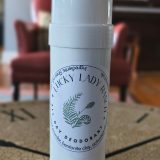 All Day DeodorantAluminum free deodorant that passed every sweaty test we gave it.
Questions people ask
Is natural soap good for men?
Yes. Men's skin works the same way as anyone's, and a mild bar made from plant oils cleans well without the heavy synthetic fragrance common in men's body washes. Choose unscented or lightly scented if your skin is sensitive.
Can I use bar soap on my beard?
A short beard can usually be washed with a mild bar soap, rinsed thoroughly and followed with a little oil. Longer beards may feel softer with a product made for hair, such as a shampoo bar.
Can you shave with regular bar soap?
You can. Build a thin, slick lather with a wet brush or your hands, use a sharp blade and shave with the grain. Dedicated shaving soap gives a thicker cushion, so coarse whiskers or sensitive skin may prefer it.
Does tea tree soap help with body odor?
Washing with any soap removes sweat and some of the bacteria that cause odor. Tea tree adds a clean scent many men like, but regular washing, drying well and clean clothes matter most.
Why do men's body washes smell so strong?
Scent is a major part of how men's products are marketed, so many formulas use a high level of fragrance. Fragrance mixtures can include many ingredients that are not listed individually on the label.
Sources and further reading
- US Food and Drug Administration (FDA), Fragrances in Cosmetics
- American Academy of Dermatology (AAD), How to get a close, comfortable shave
- National Institutes of Health (NIH), National Center for Complementary and Integrative Health: Tea Tree Oil
- European Commission Scientific Committee on Consumer Safety (SCCS), Opinion on Fragrance Allergens in Cosmetic Products
This guide is for general education and is not medical advice. If you have a skin condition, allergy, or are pregnant or nursing, talk with your doctor or a board certified dermatologist about the products that are right for you.