Gentle Soap for Kids and Families
A practical guide to gentle soap for kids: what to look for, how much soap children really need, and simple bath time and handwashing habits for the whole family.
Key takeaways
- Children usually need less soap than adults, mostly on hands, bottoms, feet and visibly dirty skin.
- Skip added fragrance, synthetic dyes and bubble bath, common culprits behind irritated young skin.
- Be cautious with essential oils for babies and young children; unscented is the simplest choice.
- True soap stings eyes, so teach kids to keep lather away from their face and rinse well.
- Ask your pediatrician about newborns, babies and any persistent rash.
Children's skin products are some of the most colorful, fragrant and cartoon covered items in any store. Yet the best soap for kids is often the plainest one. Gentle soap for kids is less about special "kids" formulas and more about leaving out what young skin does not need: added fragrance, synthetic dyes, harsh detergents and bubble bath foam. This guide is a practical look at choosing and using soap in a busy household, from toddlers to teens. For newborns and babies, your pediatrician's advice comes first.
How much soap do kids really need?
Less than most parents think. The American Academy of Pediatrics notes that young children often do not need a daily bath, and a few times a week is enough for many kids unless they are visibly dirty, sweaty or have been swimming. When they do bathe, soap is mainly needed in a few places:
- Hands, especially before meals and after the bathroom
- The diaper area or bottom
- Feet, underarms (for older kids) and any muddy or sticky spots
Arms, legs and back often only need a rinse. Using less soap is one of the easiest ways to keep children's skin comfortable, especially in winter.
What to skip on the label
| Skip | Why |
|---|---|
| Fragrance or parfum | Fragrance is a common cause of skin reactions, and kids' products are often heavily scented. |
| Synthetic dyes | Bright colors are for marketing, not skin. |
| Bubble bath | Pediatricians often suggest skipping bubble baths, which can irritate skin and the genital area, particularly in young girls. |
| Antibacterial soap | The FDA found no evidence that consumer antibacterial washes work better than plain soap for everyday use. |
| Long ingredient lists | More ingredients make it harder to spot a trigger if a rash appears. |
Our guide to unscented vs fragrance free soap explains how to read those claims, and antibacterial soap vs plain soap covers what the FDA found.
Essential oils and little ones
Natural soaps are often scented with essential oils. For adults this is usually fine, but extra care makes sense with children. Some oils, including peppermint and eucalyptus, are commonly advised against for use near the faces of babies and young children, and any essential oil can trigger a skin reaction. Soap rinses off, which lowers exposure compared with leave on products, but for babies and toddlers an unscented bar is the simplest, lowest risk option. Our article on essential oils in soap has more detail, and if in doubt, ask your pediatrician.
Eyes, tears and true soap
Real soap is alkaline, and it stings if it gets in the eyes. "Tear free" baby shampoos use particular mild surfactants and pH levels to reduce stinging; true soap cannot be made tear free. That does not make soap unsafe, but it does mean teaching kids a few habits:
- Lather in hands, then wash the body; wipe faces with a damp cloth and only a touch of soap.
- Tilt heads back when rinsing hair.
- Keep a clean, dry washcloth nearby for quick eye wipes.
- If soap gets in an eye, rinse gently with clean, lukewarm water.
For hair, our guide to shampoo bars explains why hair products work differently from body soap.
Kids with dry or eczema prone skin
Eczema is common in childhood. If your child has dry, itchy or red patches, pediatricians and dermatologists commonly suggest short lukewarm baths, fragrance free cleansers used sparingly, and moisturizing right after bathing. A diagnosis and plan from your child's doctor is important. Our guide to soap for eczema prone skin covers what to look for in a cleanser.
Handing kids a bar of soap
Liquid soap is easy for little hands, but bar soap has advantages: fewer ingredients, no pump bottles and much less packaging. A few tips make bars work in a family bathroom:
- Cut bars into smaller pieces. A small chunk is easier for small hands to hold and less wasteful when dropped in the tub.
- Use a draining soap dish at the sink and in the tub so bars do not sit in water.
- Keep separate bars if you prefer. Research suggests bar soap is a low risk for spreading germs, as our article on whether bar soap is sanitary explains, but some families like one bar per person anyway.
- Store spare soap out of reach of toddlers who put everything in their mouths.
Teaching good handwashing
Handwashing is one of the best habits you can give a child. The CDC recommends wetting hands, lathering, scrubbing all surfaces for at least 20 seconds, rinsing and drying with a clean towel. Singing "Happy Birthday" twice is the classic timer. Plain soap works well; there is no need for antibacterial products. Our full guide to handwashing with natural soap covers the details, including how to keep small hands from cracking in winter.
Pools, sunscreen and sticky days
Some days call for a proper wash. After swimming in a chlorinated pool, a quick rinse and a little soap help remove chlorine that can leave skin feeling dry. After a day outdoors, a gentle lather helps lift sunscreen, sweat and dirt; mineral sunscreen in particular may need a second pass. And for the inevitable syrup, glue or garden mud, a small washcloth with a bit of soap works better than scrubbing hard with a bar. Follow these washes with a simple moisturizer if skin looks dry or feels rough.
Teens and changing skin
Around puberty, sweat glands become more active and skin often gets oilier. Teens may need daily showers, especially after sports, and may start caring a lot about scent. This is a good moment to explain that washing removes odor, while strong fragrance only covers it. A mild bar for the body and a gentle routine for the face is plenty for most teens. If acne becomes a concern, a dermatologist can help.
Our family's soap
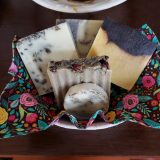
We are a small family ranch, and our own kids grew up around soap making. Our cold process Body Bar is made from olive, coconut, shea, castor and avocado oils with no synthetic fragrance, dyes or detergents. It is scented with essential oils, so for babies and toddlers we suggest checking with your pediatrician first and patch testing on a small area. For older kids and adults, it is a simple bar the whole family can share. For a broader look at children's products beyond soap, see the main site's guide to non toxic skin care for babies and kids.
From the ranch
Made in small batches, without the ingredients discussed above.
Questions people ask
What is the best soap for kids with sensitive skin?
A simple bar or wash with no added fragrance, no synthetic dyes and no harsh detergents is a good start. Use it only where needed and moisturize after bathing. If a rash persists, ask your pediatrician.
Is bar soap safe for children?
Yes, mild bar soap is fine for most children. Real soap stings the eyes, so teach kids to keep lather away from their face, and store bars out of reach of toddlers who might chew them.
How often should kids take a bath?
The American Academy of Pediatrics notes that many young children only need a bath a few times a week, unless they are dirty, sweaty or have been swimming. Older kids and teens often need to bathe more often.
Are essential oils in soap safe for kids?
Many older children use lightly scented soap without trouble, but some oils are best avoided near the faces of babies and young children. Unscented soap is the simplest choice for little ones.
Do kids need antibacterial soap?
No. The FDA found no evidence that consumer antibacterial washes work better than plain soap and water for everyday use. Plain soap and good handwashing technique are enough.
Sources and further reading
- American Academy of Pediatrics (AAP), HealthyChildren.org, Bathing your baby
- American Academy of Dermatology (AAD), How often should children bathe
- Centers for Disease Control and Prevention (CDC), When and How to Wash Your Hands
- US Food and Drug Administration (FDA), Antibacterial Soap? You Can Skip It, Use Plain Soap and Water
This guide is for general education and is not medical advice. If you have a skin condition, allergy, or are pregnant or nursing, talk with your doctor or a board certified dermatologist about the products that are right for you.