Natural Soap for Dry Skin in Winter
Why skin dries out in winter, how to choose a natural soap for dry skin by its oils, and the routine changes that help most when the heat comes on.

Key takeaways
- Cold air, low humidity, indoor heat and hot showers all pull water from skin in winter.
- Bars rich in olive oil, shea butter and avocado oil tend to feel gentler than very high coconut oil bars.
- A modest superfat and retained natural glycerin help handmade soap feel less stripping.
- How you wash matters as much as the bar: shorter, cooler showers and less soap on dry areas.
- Moisturize damp skin right after washing to help hold in water.
Every winter the same thing happens: shins start to itch, knuckles crack and the skin on your arms feels tight the moment you step out of the shower. If you are looking for a natural soap for dry skin, the bar does matter, but it is only part of the story. Cold weather changes how skin holds water, and a few routine adjustments often help more than any single product. Here is how to choose a gentler chemical free soap for the cold months and how to use it well.
Why skin gets drier in winter
The outer layer of skin holds water with help from natural lipids and moisture binding compounds. In winter, several things work against it at once:
- Low humidity. Cold air holds little moisture, so water evaporates from skin faster.
- Indoor heating. Forced air heat dries indoor air further.
- Hot showers. Long, hot water feels wonderful on a cold morning but removes more of skin's own oils.
- More handwashing. Cold and flu season means more washing, and hands take the brunt.
- Wind and wool. Friction and wind exposure add to the problem.
Dermatologists commonly recommend the same fixes year after year: lukewarm water, shorter showers, gentle cleansers and moisturizing right after washing. Your soap choice fits into the "gentle cleanser" part.
How to choose a natural soap for dry skin
All true soap is made by reacting oils with lye, but the oils chosen change the result dramatically. When skin is dry, read the ingredient list for the balance of oils, not just the marketing.
| Oil (label name) | What it brings to a bar | Dry skin notes |
|---|---|---|
| Olive oil (sodium olivate) | Mild, creamy, low lather | Often the base of gentle bars; Castile style soaps are mostly olive |
| Shea butter (sodium shea butterate) | Hardness and a conditioning feel | A favorite for winter bars |
| Avocado oil (sodium avocadoate) | Conditioning, rich feel | Pairs well with olive and shea |
| Castor oil (sodium castorate) | Stable, creamy lather | Used in small amounts to boost bubbles in gentle bars |
| Coconut oil (sodium cocoate) | Big bubbly lather, strong cleansing | Helpful in moderation; bars that are mostly coconut can feel drying |
A balanced recipe uses some coconut for lather and lots of softer oils for comfort. Our guide to the best oils for soap covers each oil in more depth, and how to read a soap label explains the "sodium" names.
Superfat and glycerin
Two more features help a bar feel less stripping. Superfat means the maker uses slightly less lye than needed to turn all the oil into soap, leaving a little free oil in the finished bar. Many handmade soaps fall roughly in the 5 to 8 percent range. And cold process soap keeps the natural glycerin that forms during saponification, while some mass produced soap has it removed. Read more in our article on natural glycerin in handmade soap.
Look for a well cured bar
Cold process soap is usually cured for several weeks so excess water evaporates and the bar becomes harder and milder in use. A properly cured bar also lasts longer in a steamy winter shower. See why good bars rest for weeks.
What to skip when skin is dry
- Heavily fragranced bars and washes. Fragrance does nothing for dryness and can irritate skin that is already compromised.
- Exfoliating bars with rough additions like ground pumice or large seeds, at least on dry patches. Gentle exfoliation once in a while is fine; daily scrubbing is not.
- Clay and charcoal bars for daily all over use. They are lovely for oily areas in summer but may feel drying for some people in winter.
- Strong detergent washes. Body washes built on sulfates can leave dry skin feeling tight.
A cold weather routine that works with your soap
- Turn the temperature down. Warm, not hot. If your skin is pink when you step out, the water was too hot.
- Keep it under ten minutes. Long soaks feel good but often leave skin drier afterward.
- Soap the places that need it. Underarms, groin and feet need soap every day. Shins, forearms and back often need only a rinse on many winter days.
- Pat dry and moisturize within a few minutes. Damp skin holds onto a balm or oil better. Rich butters such as shea are popular for dry patches.
- Run a humidifier at night if indoor air is very dry.
- Treat your hands kindly. Wash with a mild bar, dry thoroughly, and keep a balm by the sink. Our article on handwashing with natural soap covers this in more detail.
Small details that add up
A few less obvious habits also make a difference over a long winter. Use a soap dish that drains, because a bar sitting in water turns soft and you end up using more soap per wash. Rinse thoroughly, since leftover lather can leave skin feeling tight, especially in homes with hard water. Change out of damp clothes and wet gloves quickly after time outdoors. Drink water through the day, even though it will not fix dry skin on its own. And look at your laundry: heavily fragranced detergents and dryer sheets sit against your skin all day, so if you have switched to a gentle soap and still itch, they are worth a look too.
When dry skin is more than dry skin
Ordinary winter dryness improves with gentler habits. If your skin cracks and bleeds, itches enough to keep you up at night, develops red, scaly patches, or does not improve after a couple of weeks of careful care, see a dermatologist. Conditions like eczema and psoriasis can look like simple dryness at first. If your skin is reactive as well as dry, our guide to soap for eczema prone skin may also help.
Our winter pairing
At Lucky Lady Ranch we build our olive and shea Body Bar on olive oil, shea butter, avocado and castor oil, with coconut oil for lather, and cure it before it goes out. In winter we follow it with the shea butter and beeswax Body Balm on damp skin, especially on shins, elbows and hands. If you want to understand why shea is such a cold weather staple, our main site has a full guide to shea butter for skin, lips and hair.
And to keep a good bar from melting away in a humid winter shower, give it a draining dish and let it dry between uses. Our tips on making a bar last longer will stretch it through the season.
From the ranch
Made in small batches, without the ingredients discussed above.
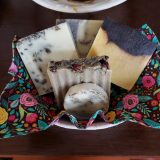 Body BarA true cold process soap for gentle, everyday cleansing.
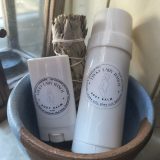 Body BalmUnrefined shea and organic beeswax for hard working skin.
Questions people ask
What kind of soap is best for dry skin?
A gentle bar built mostly on conditioning oils such as olive oil, shea butter and avocado oil, with no added fragrance or harsh detergents, tends to feel best. A modest superfat and retained natural glycerin also help a bar feel less stripping.
Is bar soap more drying than body wash?
Not necessarily. It depends on the formula. A harsh sulfate body wash can be more drying than a well made, oil rich handmade bar, while a cheap detergent bar may be harsher than a mild wash. Read the ingredients rather than judging by format.
Why does my skin feel tight after using soap?
Tightness usually means oils were removed faster than skin could replace them. Hot water, long showers, high coconut oil bars and strong detergents all contribute. Try lukewarm water, less soap on dry areas and moisturizing right after washing.
Should I use soap every day in winter?
Most people need soap daily on underarms, groin and feet, but other areas often only need water, especially in winter. Using soap only where needed is a simple way to reduce dryness.
Does handmade soap moisturize skin?
Soap is a cleanser, so its job is to remove oil and dirt. Handmade soap with retained glycerin and extra oils tends to feel less drying than many commercial bars, but you still need a balm or lotion afterward for dry skin.
Sources and further reading
- American Academy of Dermatology (AAD), Dermatologists' top tips for relieving dry skin
- American Academy of Dermatology (AAD), How to prevent and treat winter skin problems
- National Institutes of Health (NIH), MedlinePlus: Dry skin
- National Eczema Association, guidance on bathing and moisturizing
This guide is for general education and is not medical advice. If you have a skin condition, allergy, or are pregnant or nursing, talk with your doctor or a board certified dermatologist about the products that are right for you.