Soap for Eczema Prone Skin: What to Look For
What to look for in soap for eczema prone skin, which ingredients to skip, and a simple bathing routine to discuss with your dermatologist.
Key takeaways
- Soap does not treat eczema; the goal is a cleanser that does not make dry, reactive skin feel worse.
- Fragrance free, dye free and free of harsh detergents is the starting point.
- True soap is alkaline, so some people with eczema prefer a mild synthetic cleanser; others tolerate oil rich handmade soap well.
- Short lukewarm baths, gentle patting and moisturizing within a few minutes are widely recommended.
- Work with a dermatologist on any flare, and patch test every new product.
When you live with eczema, or care for someone who does, every product that touches the skin gets scrutiny. Soap is near the top of the list because you use it daily and it is designed to remove oils. Finding soap for eczema prone skin is not about finding a cure in a bar. Soap cannot treat eczema, and no honest maker should claim it does. What a good cleanser can do is get you clean without adding to the dryness, tightness and itch that eczema prone skin already deals with. This guide focuses on what to look for, what to skip, and how to use whatever you choose.
A quick but important note: eczema is a medical condition, and flares deserve a dermatologist's attention. Use this as shopper's background, not as a treatment plan.
Why cleansing is tricky for eczema prone skin
Eczema prone skin tends to have a weaker barrier, the outer layer of skin cells and lipids that holds water in and keeps irritants out. Any cleanser removes some surface oils along with dirt. On healthy skin, that is quickly restored. On skin with a compromised barrier, harsh or frequent washing can leave it drier and more easily irritated.
That is why the National Eczema Association and the American Academy of Dermatology both emphasize gentle, fragrance free cleansers and short baths or showers, rather than any particular "eczema soap."
What to look for on the label
| Look for | Why it matters |
|---|---|
| Fragrance free | Fragrance is one of the most common triggers of allergic contact dermatitis, which can be confused with or layered on top of eczema. |
| No synthetic dyes | Color serves no purpose for skin and adds another ingredient to react to. |
| No strong detergents | Sodium lauryl sulfate is used in research specifically because it reliably irritates skin. |
| Short ingredient list | Fewer ingredients make it easier to identify a trigger if something goes wrong. |
| Rich, conditioning oils | Bars built on olive oil, shea butter and similar oils tend to feel less stripping than very high coconut oil bars. |
Our guide to unscented vs fragrance free soap explains why those two words are not interchangeable, and our look at the best oils for soap shows how each oil changes the feel of a bar.
The pH question, honestly
Here is where natural soap fans and dermatologists sometimes disagree. True soap, including the handmade kind, is alkaline, generally around pH 9 to 10. Healthy skin's surface is mildly acidic. Research suggests that alkaline cleansers can temporarily raise skin surface pH, and some dermatologists prefer mild synthetic cleansers (often called syndets) for eczema prone skin because they can be formulated closer to skin's natural pH.
At the same time, plenty of people with dry or eczema prone skin report that a simple, well made, unscented soap feels better than the fragranced detergent products they used before. Both experiences can be true. Skin is individual. Our article on soap and skin pH goes deeper into what the numbers do and do not mean. If you are unsure, ask your dermatologist which type of cleanser they recommend, and try it for a few weeks before judging.
About essential oils and botanicals
Many natural soaps are scented with essential oils, which are not the same as synthetic fragrance but are still potential allergens. Lavender, tea tree, citrus oils and others contain compounds that can sensitize some people, especially when the oils oxidize with age. Botanical additions such as oatmeal, herbs or flower petals may sound soothing but add variables. For eczema prone skin, the plainest option is usually the wisest first choice. Our guide to essential oils in soap covers safety in more detail.
A gentle bathing routine to discuss with your dermatologist
Dermatology groups commonly suggest something like the following. Your own dermatologist may adjust it.
- Keep it short and lukewarm. Five to ten minutes in warm, not hot, water is a common recommendation.
- Use cleanser only where needed. Underarms, groin, hands and feet usually need soap. Other areas may only need water on many days.
- Lather in your hands. Skip washcloths, sponges and scrubs, which add friction.
- Rinse well. Leftover cleanser residue can be irritating.
- Pat, do not rub. Leave skin slightly damp.
- Moisturize within a few minutes. Apply your moisturizer or any prescribed products while skin is still damp to help hold in water. Many people call this "soak and seal."
Hard water may also play a role for some people, since minerals in hard water react with soap and can leave a residue on skin. If your home has very hard water and your skin always feels tight after washing, that may be worth mentioning to your doctor.
Introducing a new soap safely
Do not switch soap in the middle of a flare. Wait until skin is calm, then patch test a small amount on unaffected skin, such as the inner arm, once or twice daily for several days. Never test on broken, cracked or weeping skin, where almost any cleanser will sting. If the patch stays calm, try the bar on a larger area for a week or two before deciding it suits you. For a full walkthrough of testing and comparing bars, see choosing soap for sensitive skin.
Children with eczema prone skin
Eczema is common in babies and young children. Pediatricians often advise fewer, shorter baths, fragrance free products and generous moisturizing. Kids also tend to love bubble baths and colorful soaps, which are usually the first things to skip. Our article on gentle soap for kids and families has practical tips for bath time with little ones. Always follow your pediatrician's guidance for a child's skin.
Where Lucky Lady Ranch fits, and where it may not
We make simple cold process soap from olive, coconut, shea, castor and avocado oils, without synthetic fragrance, dyes or detergents. Many customers with dry skin tell us they like how it feels. But our cold process Body Bar contains essential oils, and like all true soap it is alkaline, so it may not be the right choice for everyone with eczema prone skin. Talk with your dermatologist, patch test carefully, and stop if your skin does not like it. After bathing, our unrefined shea butter Body Balm is a rich layer many people enjoy on dry areas, though it also contains essential oils, so test it the same way.
For more on keeping dry skin comfortable through the cold months, see natural soap for dry skin in winter.
From the ranch
Made in small batches, without the ingredients discussed above.
 Body BarA true cold process soap for gentle, everyday cleansing.
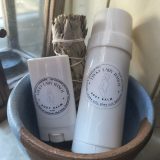 Body BalmUnrefined shea and organic beeswax for hard working skin.
Questions people ask
Is natural soap good for eczema prone skin?
It depends on the person and the soap. A simple, fragrance free bar made with conditioning oils may feel comfortable, but true soap is alkaline and some dermatologists prefer mild synthetic cleansers for eczema. Ask your dermatologist and patch test before switching.
Should I avoid soap completely if I have eczema?
Most people still need a cleanser for areas like hands, underarms and groin. Many dermatologists suggest using a gentle, fragrance free cleanser only where needed and plain water elsewhere. Your dermatologist can tailor this to your skin.
Are essential oils safe for eczema prone skin?
Essential oils can trigger reactions in some people, especially if skin is already irritated or the oils have oxidized. For eczema prone skin, an unscented, fragrance free bar is usually the safest first choice.
How long should a bath be for eczema prone skin?
Dermatology groups commonly suggest short baths or showers of about five to ten minutes in lukewarm water, followed by moisturizing within a few minutes while skin is still damp.
Can soap cause an eczema flare?
Harsh or fragranced cleansers can irritate eczema prone skin and may contribute to flares in some people. If you notice a pattern after using a product, stop using it and talk with a dermatologist.
Sources and further reading
- National Eczema Association, guidance on bathing and moisturizing
- American Academy of Dermatology (AAD), Eczema: tips for bathing and moisturizing
- American Academy of Pediatrics (AAP), HealthyChildren.org, Eczema in children
- US Food and Drug Administration (FDA), Allergens in Cosmetics
This guide is for general education and is not medical advice. If you have a skin condition, allergy, or are pregnant or nursing, talk with your doctor or a board certified dermatologist about the products that are right for you.