Handwashing With Natural Soap: Does It Work as Well?
Plain soap does the job. How handwashing with natural soap removes germs, what the CDC and FDA say, the right technique, and how to keep busy hands from cracking.

Key takeaways
- Plain soap, including natural handmade soap, works mainly by lifting germs and grime so water can rinse them away.
- The FDA found no evidence that consumer antibacterial washes beat plain soap and water for everyday use.
- Technique matters most: lather all surfaces, scrub at least 20 seconds, rinse and dry with a clean towel.
- Hand sanitizer with at least 60 percent alcohol is a backup when soap and water are not available.
- Frequent washing can dry hands, so choose a mild bar and moisturize afterward.
If you have switched to natural soap at home, you may have wondered whether it truly gets your hands clean, especially during cold and flu season or when someone in the house is sick. It is a fair question, since natural soap rarely carries "kills 99.9 percent of germs" claims. The short answer is reassuring: handwashing with natural soap works because of how soap itself works, not because of added antibacterial chemicals. What matters most is how you wash.
How soap actually removes germs
Soap molecules have a water loving head and an oil loving tail. Germs, dirt and grease tend to cling to the natural oils on your skin. When you lather, soap molecules surround those oily bits and break them loose so running water can carry them away. Rubbing your hands together creates the friction that helps lift them from skin creases and under nails.
Soap also does more than wash things off. Many viruses, including influenza and coronaviruses, are wrapped in a fatty outer envelope, and research suggests soap can disrupt that layer. Bacteria are mostly removed and rinsed down the drain rather than killed. Either way, the result is cleaner hands.
None of this depends on synthetic additives. A simple bar made from saponified olive, coconut and other plant oils is soap in the full sense, and it works the same way. Our article on what chemical free soap really means explains the chemistry.
What regulators found about antibacterial soap
In 2016, the US Food and Drug Administration issued a final rule removing 19 active ingredients, including triclosan and triclocarban, from consumer antiseptic washes. Manufacturers had not shown that these ingredients were safe for long term daily use or that the products worked better than plain soap and water at preventing illness. The FDA's consumer advice is direct: use plain soap and water. The rule did not cover hand sanitizers or products used in health care settings. For more detail, see our guide to antibacterial soap vs plain soap, or the main site's look at triclosan and why the FDA pulled it.
The technique that does the work
The Centers for Disease Control and Prevention recommends five steps:
- Wet your hands with clean, running water, warm or cold.
- Lather by rubbing hands with soap. With a bar, rub it between your palms for a few seconds, then set it back on its dish.
- Scrub all surfaces for at least 20 seconds: palms, backs of hands, between fingers, thumbs, fingertips and under nails.
- Rinse well under clean, running water.
- Dry with a clean towel or let your hands air dry.
Twenty seconds is longer than most people think. Humming "Happy Birthday" twice is the classic timer. The CDC also notes that water temperature does not appear to make a meaningful difference in removing germs, so use whatever is comfortable. Lukewarm is kinder to skin than hot.
Commonly missed spots
- Thumbs, especially the base
- Fingertips and under nails
- Backs of the hands
- Wrists
- Rings, which trap moisture and grime; remove them or wash around them
Is a shared bar of soap clean enough?
This is the most common worry about using bar soap at the sink. Studies over the years have found that while bacteria can live on the surface of a used bar, they are generally not transferred to the next person's hands in any meaningful way during normal washing. A bar that drains and dries between uses is a less welcoming home for microbes than one sitting in a puddle. Our full article on whether bar soap is sanitary goes through the research. In shared or public settings, some people still prefer liquid soap, which is a reasonable choice.
Does the type of natural soap matter?
For removing germs, not much. Unscented or lightly scented, olive heavy or coconut rich, handmade or simple commercial soap: any true soap or mild cleanser does the basic job when you use good technique. Scent, clay, oatmeal or charcoal do not add cleaning power. Where the formula does matter is comfort. A bar made with conditioning oils and no added fragrance is easier on hands that get washed many times a day, and comfortable hands make it easier to keep washing as often as you should.
When to wash
The CDC highlights key moments, including:
- Before, during and after preparing food
- Before eating
- After using the toilet or changing diapers
- After blowing your nose, coughing or sneezing
- After touching animals, pet food or garbage
- Before and after caring for someone who is sick, or treating a cut
On a ranch, add "after the barn, the garden and the chicken coop."
Soap or hand sanitizer?
| Soap and water | Alcohol hand sanitizer | |
|---|---|---|
| Best use | First choice whenever a sink is available | Backup when soap and water are not available |
| Visibly dirty or greasy hands | Works well | Works poorly |
| Some germs | Removes them | The CDC notes sanitizer does not work well against some germs, such as norovirus |
| What to look for | Any plain soap | At least 60 percent alcohol |
Keeping hands comfortable when you wash often
Frequent washing is the right call during sick season, but it can leave hands dry, tight or cracked, especially in winter. A few habits help:
- Choose a mild, oil rich soap without added fragrance or harsh detergents.
- Use lukewarm water rather than hot.
- Dry thoroughly, including between fingers, since damp skin chaps faster.
- Keep a balm or cream by the sink and use a small amount after washing, especially before bed.
- Wear gloves for dishes and cleaning products.
If your hands crack, bleed or develop a rash that does not improve, see a doctor or dermatologist. Our guide to natural soap for dry skin in winter has more ideas, and for teaching little ones, see gentle soap for kids and families.
Our sink setup
At our ranch house we keep a cold process Body Bar on a draining dish at every sink, cut into smaller pieces so each one dries quickly between uses. Next to it sits a tin of shea butter Body Balm for hands that have been washed a dozen times before lunch. To keep those bars from going soft, see our tips on making soap last longer. Plain soap, good technique and a little care afterward: that is all clean hands require.
From the ranch
Made in small batches, without the ingredients discussed above.
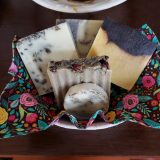 Body BarA true cold process soap for gentle, everyday cleansing.
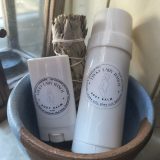 Body BalmUnrefined shea and organic beeswax for hard working skin.
Questions people ask
Does natural soap kill germs?
Soap mainly removes germs by lifting them off skin so water can rinse them away, and it can disrupt the outer layer of some viruses. Natural soap made from plant oils works the same way as other plain soaps when you use good technique.
Is antibacterial soap better than regular soap for handwashing?
For everyday use at home, no. The FDA found no evidence that consumer antibacterial washes prevent illness better than plain soap and water, and removed 19 antibacterial ingredients from those products in 2016.
How long should you wash your hands?
The CDC recommends scrubbing all surfaces of your hands with soap for at least 20 seconds, then rinsing under clean, running water and drying with a clean towel or air drying.
Does hot water kill more germs when washing hands?
Not in a meaningful way at temperatures your skin can tolerate. The CDC says warm or cold water both work. Lukewarm water is usually more comfortable and less drying.
Is bar soap as good as liquid soap for handwashing?
Yes. Studies suggest bar soap is effective and unlikely to pass germs between users during normal washing. Keep the bar on a draining dish so it dries between uses.
Sources and further reading
- Centers for Disease Control and Prevention (CDC), When and How to Wash Your Hands
- Centers for Disease Control and Prevention (CDC), Show Me the Science: How to Wash Your Hands
- US Food and Drug Administration (FDA), Safety and Effectiveness of Consumer Antiseptics; Topical Antimicrobial Drug Products for Over-the-Counter Human Use (Final Rule, 2016)
- US Food and Drug Administration (FDA), Antibacterial Soap? You Can Skip It, Use Plain Soap and Water
- World Health Organization (WHO), Guidelines on Hand Hygiene in Health Care
This guide is for general education and is not medical advice. If you have a skin condition, allergy, or are pregnant or nursing, talk with your doctor or a board certified dermatologist about the products that are right for you.