Soap Curing: Why Good Bars Rest for Weeks
A handmade bar can take a month or more to go from mold to shower. Here is what happens during that soap curing time, and why patience gives you a better bar.

Key takeaways
- Most cold process soap cures for about four to six weeks; high olive oil bars often cure for months.
- The chemical reaction is mostly finished in a day or two; curing is mainly about water leaving the bar and the soap's structure settling.
- A well cured bar is harder, longer lasting, and usually milder and better lathering.
- You can extend the cure at home by storing spare bars in a cool, dry, airy place.
If you have ever wondered why a small soap maker cannot just whip up a fresh batch when they run out, the answer is curing. Soap curing time is the stretch of weeks between cutting a loaf into bars and wrapping those bars for sale. It is not glamorous. The soap just sits on a rack. But that quiet rest is one of the main reasons a good bar of chemical free soap feels the way it does, and why it lasts.
What Curing Is, and What It Is Not
A common misunderstanding is that curing is when the lye "finishes" turning into soap. In a well made cold process batch, saponification is largely complete within about 24 to 48 hours, while the soap is still in the mold. Our walkthrough of how cold process soap is made shows where that happens. By the time bars are cut, they are already soap.
So what is curing for? Mostly two things:
- Water leaves the bar. Soap batter contains a good amount of water from the lye solution. Over the following weeks, much of that water evaporates, and the bar gets noticeably lighter and harder.
- The soap settles into its final structure. As the bar dries, soap molecules organize into a firmer, more stable arrangement. Experienced makers and many soap chemists describe this as the reason cured soap lathers better and feels milder than fresh soap made from the same recipe.
Any trace of reaction that is still going on in the first days also completes during this time, which is one more reason makers never sell freshly cut bars.
Typical Curing Times
| Type of bar | Typical cure | Why |
|---|---|---|
| Standard cold process (olive, coconut, shea blend) | About 4 to 6 weeks | Enough time to dry and harden well |
| High olive oil or castile soap | Often 3 to 6 months, sometimes a year | Starts soft and slimy; improves a great deal with age |
| Hot process soap | Often 1 to 4 weeks | Saponification finishes during cooking, but water still needs to leave |
| Melt and pour soap | None needed | Base was made and dried earlier |
| Liquid soap | No bar cure; often rested briefly | Diluted after cooking |
For more on the differences between methods, see hot process vs cold process vs melt and pour soap.
What a Good Cure Gives You
A harder, longer lasting bar
Wet soap dissolves fast. A bar that has lost its extra water holds up much better in the shower, which saves you money and waste. If your handmade bars seem to melt away, see how to make a bar of soap last longer; sometimes the answer is simply letting a bar cure a little more before use.
A milder feel
Fresh soap that has had no time to cure can feel slightly harsher on skin. Many makers and longtime users describe cured soap as gentler and more comfortable. Combined with the natural glycerin it keeps, explained in natural glycerin in handmade soap, this is a big part of why handmade bars feel different.
Better lather
Young bars, especially high olive oil ones, can have thin or slippery lather. As they age, the lather often becomes creamier and more stable.
Can You Use Soap Before It Is Fully Cured?
If a batch was made correctly, a bar that has been out of the mold for a week is not dangerous. It is soap. But it will be softer, wear away quickly, and may not feel as pleasant as it will later. Most makers simply would not sell it yet. If you buy from a maker who seems to rush bars to market, it is fair to ask how long they cure.
How Makers Cure Soap
- Space and airflow. Bars are set on racks, often on their edges, with gaps between them so air reaches every side.
- Cool, dry and shaded. Heat, humidity and direct sunlight can encourage rancid spots or fading scent, so cure rooms are kept mild and out of the sun.
- Turning. Some makers turn bars every week or so to help them dry evenly.
- Weighing. Some weigh test bars over time. When the weight stops dropping much, the bar is close to ready.
Curing at Home: The Pantry Trick
You can keep curing soap after you buy it. Many people buy several bars at once and keep the spares unwrapped or loosely wrapped in a cool, dry closet or a drawer. Over the next few months, the bars continue to firm up, and many users find they last longer once opened. A few tips:
- Choose somewhere dry, not a steamy bathroom cabinet.
- Use breathable wrapping like paper or a cotton bag rather than sealed plastic.
- Keep bars out of direct sunlight, which can fade natural colors and scent.
- Rotate your stock so older bars get used first.
Scent from essential oils does soften slowly with time, so there is a balance. For guidance on how long bars stay at their best, read does handmade soap expire.
Why Curing Matters When You Shop
Curing is one of the clearest differences between handmade and factory soap. A soap factory can produce, dry and ship bars quickly with machinery and different processes. A small maker who cures for weeks is tying up space and inventory for every batch. It is a cost, and makers accept it because the bars are better for it. If a seller mentions their cure time, that is a good sign they care about the details.
A small amount of weight loss is expected during curing, so careful makers weigh bars after the cure rather than before. If you buy a handmade bar that is noticeably lighter than the label weight after many months on your shelf, that is simply the cure continuing.
Our Approach
Every bar we make at Lucky Lady Ranch rests on the rack for weeks before it is wrapped. It is the slow part of the job, and we think it is worth it. When you pick up our cold process Body Bar or our Shampoo and Conditioner Bar, you are holding soap that has had time to become its best. For more on keeping natural products fresh once they are home, the main site has a guide to natural product shelf life and storage.
From the ranch
Made in small batches, without the ingredients discussed above.
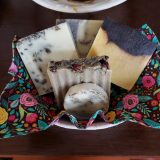 Body BarA true cold process soap for gentle, everyday cleansing.
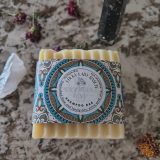 Shampoo and Conditioner BarPlastic free hair care with argan, castor and black seed oil.
Questions people ask
How long does cold process soap need to cure?
Most cold process soap cures for about four to six weeks. Bars made mostly or entirely from olive oil, such as castile, are often cured for several months because they start out softer.
What happens if you use soap before it cures?
Correctly made soap is safe once saponification is complete, usually within a couple of days, but uncured bars are soft, wear away quickly and may feel harsher than a fully cured bar.
Does handmade soap get better with age?
Many bars do improve over the first few months, becoming harder and milder with a creamier lather. Essential oil scent may soften over time, so very old bars can smell lighter.
Why does my handmade soap weigh less than the label says?
Soap keeps losing small amounts of water as it continues to cure on your shelf. A bar that weighs a little less after months of storage is normal and usually lasts longer in use.
Sources and further reading
- Kevin M. Dunn, Scientific Soapmaking: The Chemistry of the Cold Process
- Anne L. Watson, Smart Soapmaking
- Susan Miller Cavitch, The Natural Soap Book
- Handcrafted Soap and Cosmetic Guild, educational resources on soapmaking
This guide is for general education and is not medical advice. If you have a skin condition, allergy, or are pregnant or nursing, talk with your doctor or a board certified dermatologist about the products that are right for you.