Clay, Charcoal and Botanicals in Natural Soap
Clay, charcoal and botanicals give handmade soap its texture and character. Here is what each one realistically does in a rinse off bar, and how to choose.

Key takeaways
- Clays add slip, a silky feel and soft color; different clays feel different on the skin.
- Activated charcoal gives a deep gray color and a clean feel, but a rinse off bar cannot "detox" the body.
- Oats, seeds and petals add gentle texture or visual interest; some exfoliate, some simply look pretty.
- Texture is a personal choice; very sensitive skin and faces usually do best with smooth bars.
Walk past a handmade soap table and you will see bars flecked with petals, swirled with gray, or tinted sage green. Much of that character comes from clay, charcoal and botanicals. Clay and charcoal soap in particular has become a favorite, often sold with big promises. This guide looks at what these additions really do in a chemical free soap, and what is simply marketing.
Why add anything to soap?
A bar made only from saponified oils is complete. It cleans well without extras. Additives are there to change the experience: a silkier lather, a gentle scrub, a color, or a bar that suits a particular task like shaving. They are optional, and a plain bar is never a lesser bar.
Clays: slip, silk and soft color
Cosmetic clays are fine mineral powders. In soap, they are usually added at a small amount, and they do three things well. They give lather a smooth, slippery feel, they lend a soft natural color, and they help scent last a little longer. Here is how the common ones differ.
| Clay | Feel in soap | Color | Often chosen for |
|---|---|---|---|
| Kaolin (white) | Gentle, silky | Ivory | Sensitive and dry skin, facial bars |
| Rose clay | Gentle, silky | Dusty pink | Mild color with a soft feel |
| French green clay | Slightly more drawing | Sage green | Oily skin, a "deep clean" feel |
| Bentonite | Very slippery | Gray to cream | Shaving soaps, extra slip |
| Rhassoul | Smooth, rich | Brown | Hair and body bars |
Clays are absorbent, so they can take up surface oil while you wash. With a rinse off bar, that effect is mild. If your skin is dry, a kaolin bar is usually more comfortable than one heavy with green clay. The main site explores one clay in detail in bentonite clay for skin.
Activated charcoal: what it can and cannot do
Activated charcoal is carbon, often made from coconut shells or wood, that has been treated to create a huge internal surface area. That surface lets it hold on to other substances, a process called adsorption. This property is why charcoal is used in water filters.
In soap, charcoal gives a striking gray to black color and a satisfying "clean" feeling, especially for oily skin. What it cannot do is "draw toxins out of your body." Soap touches your skin for well under a minute and then rinses away, taking the charcoal with it. Any binding happens to surface oil and grime on the skin, which soap already lifts on its own. A charcoal bar is a lovely choice if you enjoy it; it is not a detox treatment.
Two practical notes: a well made charcoal bar should lather white or light gray and should not stain towels. If it leaves dark streaks, too much was used. And charcoal can feel slightly drying for some people, so pair it with a richer oil blend or follow with a balm.
Botanicals: oats, seeds, petals and more
Gentle and soothing feel
- Oats. Finely ground oats give a creamy, soft lather. Colloidal oatmeal is recognized by the FDA as a skin protectant ingredient in over the counter products, which is one reason oat bars are a classic for dry skin. In soap, think of oats as a comfort ingredient rather than a treatment.
- Calendula petals. Valued for their cheerful yellow color, which tends to survive the soap making process better than most petals.
- Chamomile. Used for a calm, gentle image, though people with ragweed allergies may want to avoid it.
Scrub and texture
- Poppy seeds and ground coffee give a light scrub for hands and feet.
- Ground loofah or pumice make a firm scrub for gardeners and mechanics.
- Jojoba beads are a gentle, plant based scrubbing bead, a good replacement for the plastic microbeads that the US banned from rinse off cosmetics in 2015.
Mostly decorative
Dried rose petals and lavender buds look pretty on top of a bar, but they usually turn brown inside soap. They add charm, not much else. Our article on natural soap colorants explains why plant colors shift in soap.
Choosing the right bar for your skin
- Sensitive or very dry skin: choose smooth bars with kaolin or oats, and skip scrubs and charcoal. See choosing soap for sensitive skin.
- Oily skin: a bar with green clay or charcoal may feel refreshing.
- Face: keep it gentle. Scrubby bars can be too rough for facial skin; see can you wash your face with bar soap.
- Hard working hands: pumice, loofah or coffee bars make quick work of grease and garden soil.
- Shaving: bentonite clay adds glide.
Care tips for textured bars
Bars with seeds, grounds or petals can hold water in their texture, so let them drain fully between uses. A slotted dish keeps them from turning mushy and helps any botanical material stay fresh. More tips are in how to make a bar of soap last longer. If a botanical bar ever smells musty, it has stayed wet too long.
How much is enough?
With all of these additions, less is usually more. A teaspoon or two of clay in a large batch is plenty to change the feel of the lather. Charcoal needs only a pinch to turn a bar deep gray. When a bar is crowded with additives, it can feel gritty, crumble at the edges or leave residue in the tub. A good maker adds just enough to make a difference you can feel, then lets the oils do the real work.
Reading the label
Clays usually appear by their names, such as kaolin or bentonite, or by mineral names such as illite or montmorillonite. Charcoal appears as charcoal powder or activated charcoal. Botanicals should be named plainly, like "Avena sativa (oat) kernel meal." If a bar promises dramatic results from a pinch of clay, that is a reason to read the rest of the label carefully; our short list of soap ingredients to avoid helps.
Where clay and charcoal shine longer
Because soap rinses away, clay and charcoal have more time to work in products that stay on the skin. That is why we use bentonite clay and activated charcoal in our All Day Deodorant, where absorbing moisture through the day matters. For everyday washing, our Body Bar keeps things simple with a nourishing oil blend.
From the ranch
Made in small batches, without the ingredients discussed above.
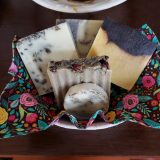 Body BarA true cold process soap for gentle, everyday cleansing.
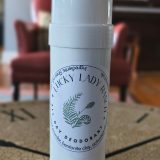 All Day DeodorantAluminum free deodorant that passed every sweaty test we gave it.
Questions people ask
What does clay do in soap?
Clay gives lather a smooth, slippery feel, adds soft natural color and can help scent last. Gentle clays like kaolin suit dry or sensitive skin, while green clay feels more absorbent for oily skin.
Does charcoal soap really detox your skin?
No rinse off soap can detox the body. Activated charcoal binds to surface oil and grime during washing, which can feel refreshing, especially for oily skin. Its main contributions are a clean feel and a striking color.
Is charcoal soap good for sensitive skin?
It depends on the person. Some find charcoal bars slightly drying. If your skin is sensitive, a smooth bar with kaolin clay or oats is usually a gentler starting point.
Can you use exfoliating soap every day?
Bars with fine texture such as poppy seeds are usually fine for hands and feet daily. For the face and body, especially sensitive skin, use scrubby bars less often and stop if skin becomes red or irritated.
Sources and further reading
- US Food and Drug Administration (FDA), Skin Protectant Drug Products for Over-the-Counter Human Use, Final Monograph (colloidal oatmeal)
- US Congress, Microbead-Free Waters Act of 2015
- Cosmetic Ingredient Review, Safety Assessment of Kaolin, Bentonite and Related Silicate Clays
- Kevin M. Dunn, Scientific Soapmaking: The Chemistry of the Cold Process (Clavicula Press)
This guide is for general education and is not medical advice. If you have a skin condition, allergy, or are pregnant or nursing, talk with your doctor or a board certified dermatologist about the products that are right for you.