Does Handmade Soap Expire? Shelf Life and Storage
Handmade soap does not spoil like food, but it does change with time. Here is what a realistic shelf life looks like, the signs to watch for, and how to store bars well.

Key takeaways
- Handmade soap does not need a preservative, because a cured bar is low in water and alkaline, which makes it unfriendly to microbes.
- What changes over time is mainly the oils, which can slowly oxidize, and the scent, which softens.
- Many makers suggest using bars within about a year or two for best scent and freshness, though well stored bars often last longer.
- Small orange spots or a stale, crayon like smell signal rancid oils; cool, dry, dark, breathable storage helps prevent them.
If you like to stock up, or you received a gift basket of beautiful bars, you have probably wondered: does handmade soap expire? The short answer is that it does not spoil the way food or water based lotions can, but it does age. Its scent fades, and its oils can slowly turn. Knowing what to look for, and how to store your bars, lets you enjoy every bar of chemical free soap at its best.
Why Soap Does Not Need a Preservative
Lotions and creams contain a lot of water, which is why they need preservatives to keep mold and bacteria from growing. A cured bar of soap is different. It contains relatively little water, and its pH, typically around 9 to 10, is too alkaline for most microbes to thrive. That is why simple handmade soap can be made without added preservatives. Our guide on soap curing time explains how that water leaves the bar.
Commercial bars sometimes add chelators and synthetic antioxidants such as tetrasodium EDTA or BHT to extend shelf life even further. Our article on how to read a soap label shows where those appear.
What Actually Changes Over Time
The oils can oxidize
Every handmade bar contains a little unreacted oil, called the superfat, which helps it feel gentle. Some of the oils used in soap, especially those high in unsaturated fats like sunflower or certain seed oils, can slowly react with oxygen and turn rancid. This is the main way a bar "goes off." Stable oils like coconut, olive and shea tend to resist it better, which is one reason they are so popular. See the best oils for soap for how they compare.
The scent softens
Essential oils are volatile, which is a fancy way of saying they evaporate. Citrus oils tend to fade fastest, while woody and earthy scents such as cedarwood often linger longer. A bar that smelled vivid when you bought it may smell gentle a year later. That does not make it less effective. Our guide to essential oils in soap covers scent in more depth.
The bar keeps drying
Soap continues to lose water on the shelf. An older bar is usually harder and may last longer in use. Natural colors from clays and botanicals may also fade, especially in light.
A Realistic Shelf Life
| Bar age | What to expect |
|---|---|
| First few months | Fully cured, scent at its strongest |
| About 6 to 12 months | Harder bar, scent may soften a little |
| About 1 to 2 years | Still useful if stored well; scent noticeably lighter |
| Beyond 2 years | Often fine if no off smell, but watch closely for rancid signs |
These are general expectations rather than hard rules. The recipe, the superfat, the oils used and your storage conditions all matter. Many makers suggest using bars within about a year or two for the best experience, and some print a "best by" date to help.
How to Tell if a Bar Has Gone Off
- Orange or brownish spots. Soapmakers call these "dreaded orange spots." They are small patches where oils have oxidized, often on the surface. They may appear first where the bar touched metal, damp packaging or another moist surface.
- A stale, crayon like or old cooking oil smell. This is the most reliable sign of rancidity.
- A sticky or tacky feel that does not go away when the bar dries out.
A few small spots do not always mean the whole bar is ruined. Many people simply trim them off and use the rest. If the whole bar smells off, though, it is time to retire it from face and body use. If you have sensitive skin, err on the side of caution, since oxidized oils can be more irritating for some people.
Do not confuse spoilage with harmless quirks. A thin white film is usually soda ash, and droplets in a humid room are glycerin drawing in moisture, as explained in natural glycerin in handmade soap.
How to Store Handmade Soap
- Cool. Heat speeds oxidation. A closet or drawer away from radiators and sunny windows is ideal.
- Dry. Avoid storing spares in a steamy bathroom. Humidity softens bars and can encourage spots.
- Dark. Light can fade natural colors and essential oils.
- Breathable. Paper wrapping, a cardboard box or a cotton bag lets bars breathe. Sealed plastic can trap moisture.
- Away from metal. Keep bars off bare metal shelves and tins that might rust or transfer moisture.
- First in, first out. Write the purchase month on the wrapper and use older bars first.
A bonus: some people tuck spare bars into a linen closet or dresser drawer, where they scent the fabric gently while they wait their turn.
Gift Baskets, Hotel Bars and Old Stashes
Many of us have a drawer of soap we forgot about: a gift set from the holidays, a few hotel bars, something bought at a craft fair. Before using an old bar, unwrap it in good light. Look over every side for spots, then smell it closely. A bar that smells like its essential oils, or simply like clean soap, is fine to use. One that smells flat, waxy or like old fryer oil has oxidized. If you are unsure, test it on the back of your hand first. Commercial bars of unknown age deserve the same quick check, since their packaging rarely shows a date.
Once a Bar Is in Use
An open bar in the shower faces a different challenge: water. It will usually be used up long before oxidation becomes a concern, as long as it dries between uses. Our tips on how to make a bar of soap last longer help with that. The same storage logic applies to the rest of your natural products, and the main site's guide to natural product shelf life covers balms, oils and other items.
How We Help Our Bars Last
We build our recipes around stable oils like olive, coconut and shea, keep the superfat moderate, cure every batch fully, and make small batches so bars reach you fresh rather than after months in a warehouse. A Body Bar or a Beauty Bar stored in a cool, dry drawer will be ready whenever you are.
From the ranch
Made in small batches, without the ingredients discussed above.
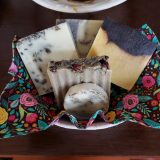 Body BarA true cold process soap for gentle, everyday cleansing.
 Beauty BarA gentle facial bar with rosehip, prickly pear and vitamin E.
Questions people ask
How long does handmade soap last on the shelf?
Stored somewhere cool, dry and dark, most handmade bars stay pleasant for about one to two years and often longer. Scent softens over time, and bars should be checked for orange spots or an off smell.
What are the orange spots on my handmade soap?
Small orange spots, often called dreaded orange spots, are areas where oils in the soap have oxidized. Small spots can be trimmed off, but a bar that smells rancid throughout is best retired.
Can you use soap after it expires?
Soap does not spoil like food, so an older bar that looks and smells fine is generally still usable. If it smells stale or rancid, or irritates your skin, stop using it on your body.
Should handmade soap be stored in plastic?
Breathable wrapping such as paper, cardboard or cotton is usually better. Sealed plastic can trap moisture, which softens bars and may encourage spots, especially in warm or humid places.
Sources and further reading
- Kevin M. Dunn, Scientific Soapmaking: The Chemistry of the Cold Process
- US Food and Drug Administration (FDA), Shelf Life and Expiration Dating of Cosmetics
- Anne L. Watson, Smart Soapmaking
- Robert Tisserand and Rodney Young, Essential Oil Safety
This guide is for general education and is not medical advice. If you have a skin condition, allergy, or are pregnant or nursing, talk with your doctor or a board certified dermatologist about the products that are right for you.